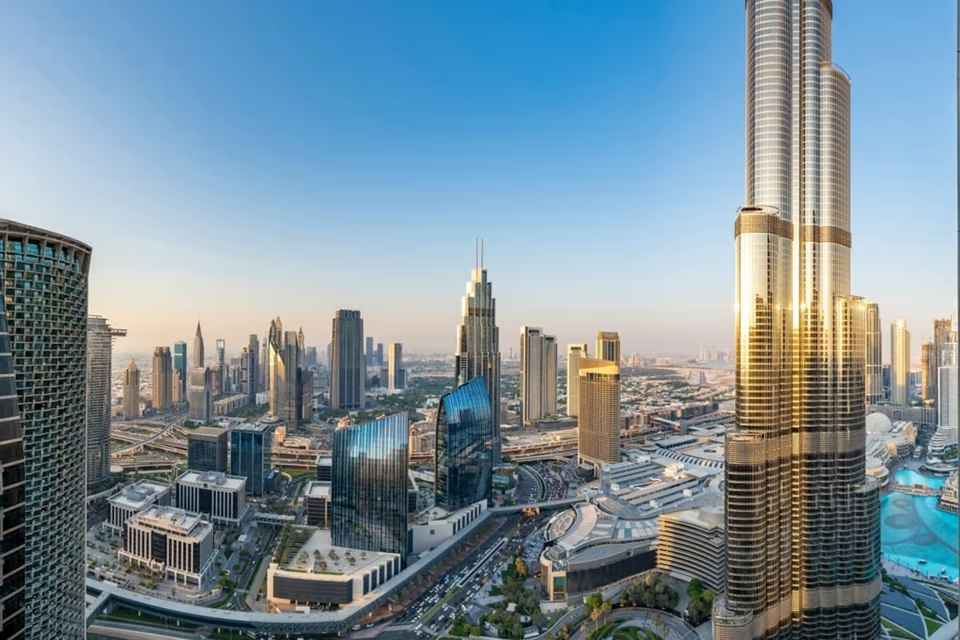
Branded real estate projects in Dubai are known for delivering high returns on investment, prestige, and attracting high-net-worth investors.
While investing in Dubai real estate has always been appealing, branded residences offer an especially compelling opportunity, according to developer MERED.
These luxurious properties stand out from traditional real estate by offering high-end amenities, sophisticated design and architecture, superior service, and robust security.
Branded real estate in Dubai
Indeed, Dubai’s branded residences are increasingly popular among high-net-worth individuals worldwide, with 69 percent showing interest in owning such properties, up from 59 percent in 2023, according to Knight Frank.
Diana Nilipovscaia, CEO of MERED, outlines five key aspects valued by buyers of branded residences in Dubai:
Rising demand: The demand for branded residences is rapidly increasing, driven by rising affluence, increased mobility, and the desire of wealthy investors to expand their property portfolios.
Dubai has the highest number of branded residences worldwide, reflecting the 160 percent global growth in the sector.
The UAE is also second only to the US in terms of the largest development pipelines for branded residences, with 17,000 units currently in operation and 5,000 more under development. This growth indicates a robust investment opportunity with a promising future.
High returns: Branded residences offer “guaranteed” returns, whether for rent or resale, making them a secure investment choice. Premium brands translate to premium rental income.
Due to their limited supply and high demand, branded residences maintain their value better than conventional real estate.
They can appreciate by approximately 20 percent and offer an average return on investment ranging from 6.5 percent to 9 percent, depending on whether they are utilized for long-term or short-term rentals. This ensures strong capital appreciation upon resale as well.
International brand heritage: Similar to a branded handbag or luxury car, a real estate product with an international resort brand consistently delivers quality, fashion, and style in line with the reputation and standards of international brands.
These projects promise consistent quality, management, and service, regardless of location, compared to conventional luxury residences, which are often developed by domestic or international real estate developers.
This reliability, prestige, familiarity, and trust in these brands provide peace of mind to buyers, making it an attractive long-term investment.
Intrinsic brand value: Being associated with a prestigious global brand means that the project meets higher standards than typical real estate developments.
Luxury brands closely control design, construction, and amenities in their projects, ensuring everything aligns with their brand identity. The involvement of renowned brands ensures prime locations, superior design, and construction quality right in the city center.
Analysis by Savills shows that the cost of developing a branded real estate project is higher due to high-class furniture standards and extensive exclusive amenities, making these properties more valuable.
Luxury living spaces: Post-pandemic, there has been a significant shift towards properties that offer open living spaces, wellness amenities, and private facilities.
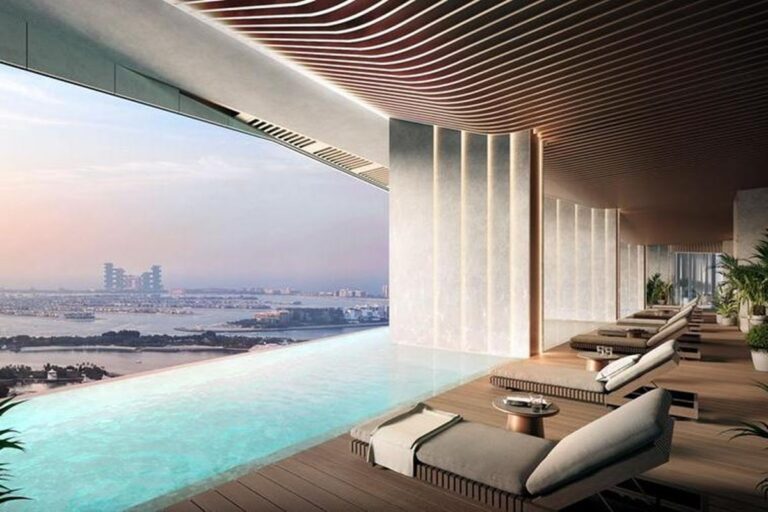
Branded residences cater to these needs with stunning views, exquisite cuisine, wellness spas, retail activities, and other attractive features that promote relaxation and well-being.
The technology and innovation-friendly environment make these properties ideal for modern living, combining luxury with convenience.
This alignment with current lifestyle trends ensures that branded residences remain a desirable choice for discerning investors.