
Tenants will actively search for communities that effectively managed the flooding situation.
After the rains on April 16, various factors will interact in the Dubai property market, altering the landscape of residential property buying and renting.
Dubai has demonstrated an impressive recovery from the recent storms that temporarily disrupted the city’s operations a couple of weeks ago. However, many inhabitants are still grappling with the aftermath.
Preparation remains the foremost concern for everyone. The occurrence of such an event was unforeseeable, particularly in a city known for its perennial sunshine. Reflecting on this experience, there are valuable lessons to be gleaned for future reference. What are some of these lessons, and how can residents proceed with enhanced confidence and tranquility should they encounter unforeseen circumstances again?
Perception will drive interest
Dubai’s global perception has shifted significantly, evolving from merely a hub for trade and tourism to a highly desirable place for residency and employment. Throughout the COVID-19 pandemic, the government’s proactive measures solidified Dubai’s reputation as a safe refuge.
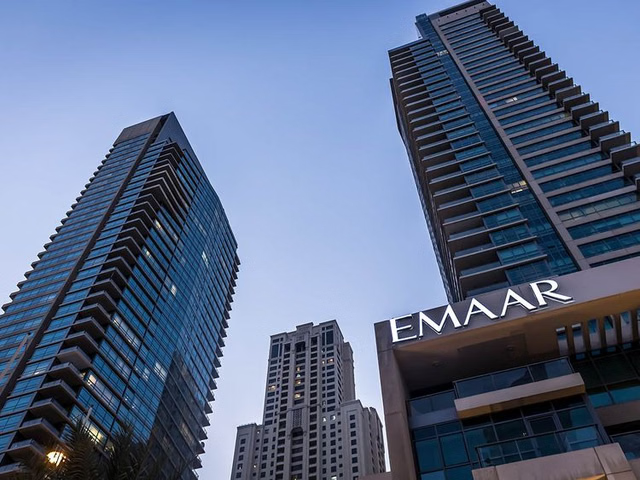
Following the April 16 flood, the government swiftly mobilized to clear inundated roads, restoring normalcy within 48 hours. Prominent developers like Emaar and Nakheel demonstrated their commitment by pledging to cover repair costs and implement waterproofing measures on their properties.
These actions have bolstered Dubai’s image as a city adept at swiftly resolving challenges. Developers who took proactive measures during this period are viewed favorably, instilling greater investor confidence in the security and reliability of their projects.
Take care of things that matter
In the UK, insurance is often obtained without hesitation. Home and car insurance are essential, along with contents insurance, which safeguards items ranging from furniture to jewelry. Various factors contribute to this practice.
The UK experiences frequent bouts of inclement weather, increasing the likelihood of water damage. Additionally, elevated crime rates prompt individuals to insure their possessions against potential theft.
In the UAE, these concerns are less pressing. Many residents rarely contemplate contents insurance due to the nation’s high levels of personal safety. In fact, some homeowners and landlords I’ve conversed with were unaware that such coverage exists. Nevertheless, I anticipate a significant shift towards prioritizing insurance among all homeowners in the forthcoming months.
Tenants are on the move
The recent storm has brought attention to several parts of the city, but unfortunately, not in a positive light. Tenants who have experienced problems such as flood damage or traffic delays due to maintenance and drainage work in the vicinity are seeking to terminate their contracts ahead of schedule. Instead of waiting until June or July, contracts are being ended prematurely as tenants seek out neighborhoods that fared better during the storm.
I expect rental activity to be higher than usual in the coming months, with an influx of prospective tenants and some properties becoming available sooner than anticipated.
Homes will come under the microscope
Recently, at many of my viewings, I’ve been frequently asked a question that every landlord can expect to hear right now – “To what extent was the damage?”
Tenants, and likely buyers as well, are meticulously scrutinizing properties they’re interested in, paying close attention to even the smallest details. Waterproofing has become a crucial factor that could significantly influence a deal’s outcome. Moreover, there’s a growing focus on how well the entire community is prepared for weather-related events. All the landlords I’m collaborating with acknowledge this trend and are proactively waterproofing their properties to address tenant concerns in advance.
On the downside, while enhanced weatherproofing brings benefits, it also entails additional costs that landlords may seek to recover through rental adjustments. It seems reasonable that the added value would justify a higher rent, but the actual outcome will depend on market dynamics and tenants’ willingness to stretch their budgets.
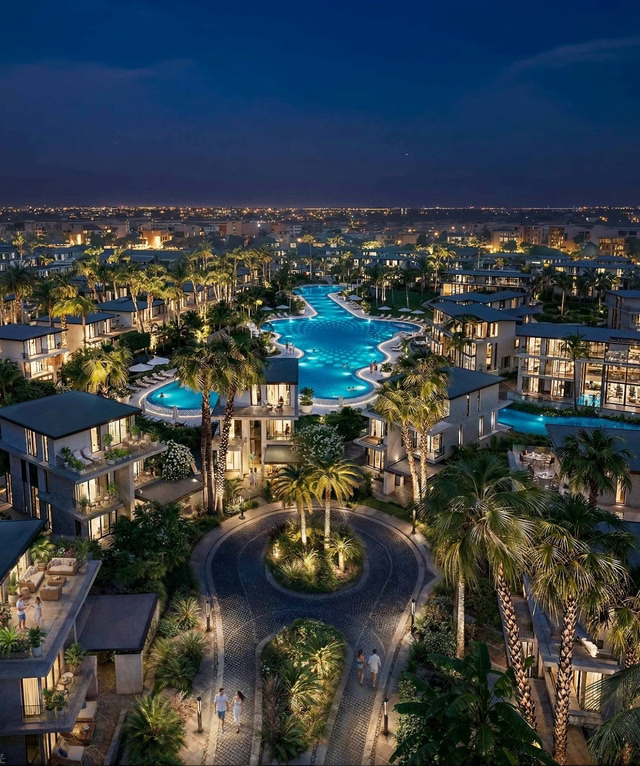
I believe master-planned communities stand to gain in the long term, as developers can implement comprehensive weatherproofing strategies, making these communities more attractive to both buyers and renters.
In as little as 6 to 12 months, regions affected now could rebound with improved infrastructure strategies, reclaiming their status as preferred living destinations.
A crucial takeaway from this experience is the importance of being prepared for unforeseen circumstances, regardless of how stable your situation may seem.
Source : Gulfnews