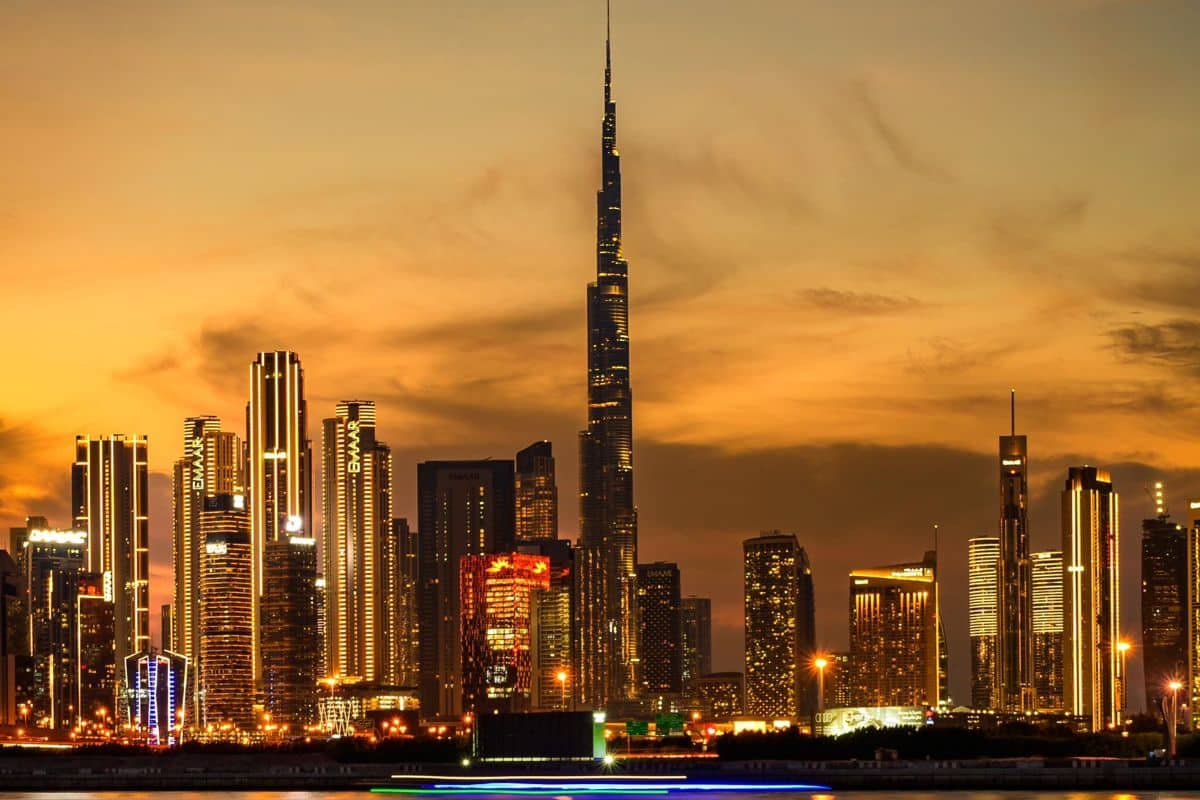
Can’t afford to buy a $20m Dubai mansion? Here’s how to start investing in Dubai real estate from just $136.
Dubai’s real estate market is thriving, with residential property sales reaching AED191bn ($52.5bn) in the first half of the year alone.
It seems like every day brings news of a $20m home being sold on Palm Jumeirah or luxury properties with Burj Khalifa views setting new records.
Dubai real estate continues to break records in both volume and value, with brokers frequently showcasing their deals with wealthy investors from around the globe—a $10m home here, a $25m property there.
Affordable Dubai Real Estate Investors
However, investing in Dubai real estate isn’t limited to ultra-high-net-worth clients being chauffeured through luxury developments and purchasing the most expensive homes.
In addition to homeowners acquiring entry-level properties to begin their investment journey, there are various ways to invest in Dubai real estate without needing millions in the bank.
Explore options like fractional ownership, low-deposit mortgages, and real estate investment trusts to discover alternative ways to invest in Dubai real estate.
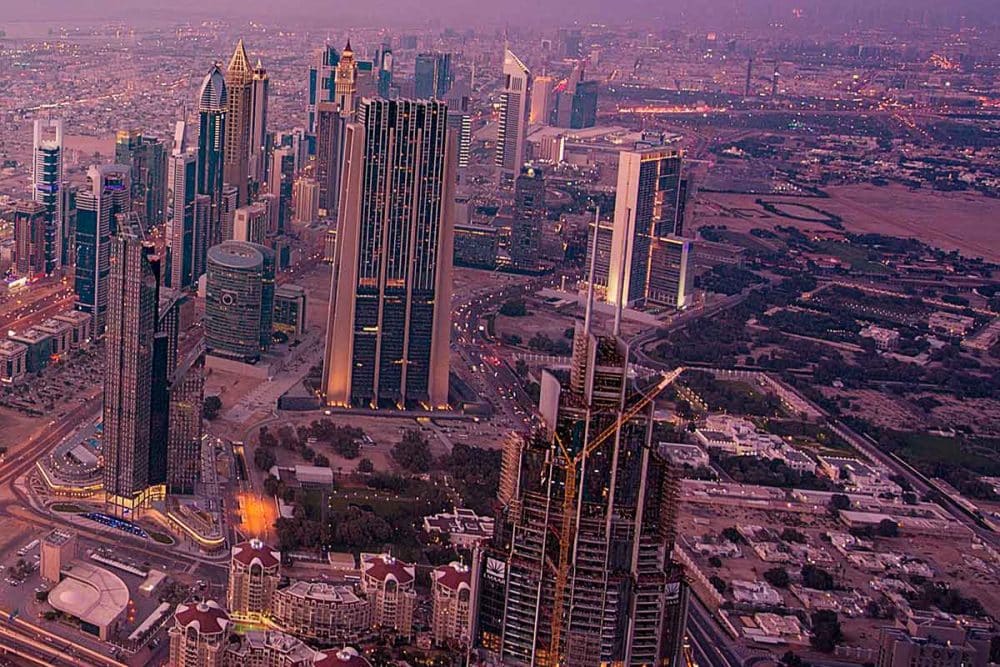
Invest in Dubai property starting from just $136.
Dubai real estate investors now have the opportunity to invest in luxury properties in the city for as little as AED 500 ($136), thanks to the Dubai Land Department’s inclusion of the Stake real estate investment platform into the Real Estate Evolution Space Initiative (REES).
This initiative aims to broaden property accessibility and ownership opportunities for all, while also raising community awareness about the significance of collective investment in the real estate sector.
Stake, a local company founded in Dubai and expanding internationally, offers a fully comprehensive digital experience. This contributes to the digitization of buying and selling processes, driving global digital transformation and making real estate investment accessible to everyone.
Launched in 2021 during the COVID-19 pandemic, the Stake platform was created to align with the changes of that time, offering top real estate opportunities with high investment potential.
Through the app, anyone can build a global real estate portfolio within minutes and begin generating lifelong income to meet their ambitious goals.
The platform allows for real estate investment with a minimum stake of just AED 500 ($136), managing all investor transactions from investment to exit, and distributing monthly rental income and capital appreciation returns directly into the investor’s Stake investment wallet.
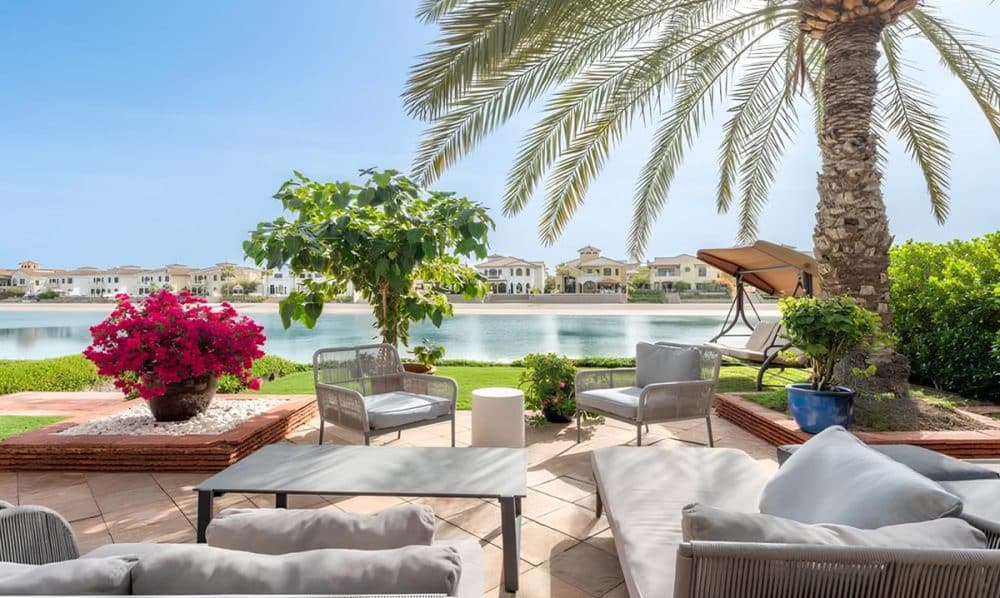
Shared ownership of luxury properties starting at $54,000
An innovative shared real estate ownership platform in Dubai is offering investors the opportunity to own 1/8 of a luxury property in the city for as little as $54,000.
Shard is poised to revolutionize the UAE’s premium real estate market with its innovative co-ownership model, which has been proven successful worldwide, making high-end properties more accessible than ever before.
Previously available only to a select network, Shard’s service became publicly available on July 1. Shard offers 1/8 ownership, including your name on the title deed, and provides seamless property management at a fraction of the cost.
Shard appeals to those seeking a luxurious lifestyle, offering access to world-class amenities in some of Dubai’s most sought-after locations.
Owners have exclusive use of the property for 44 days a year, allowing them to enjoy premium residences in prime locations such as Downtown, Bluewaters Island, and Palm Jumeirah.
The co-ownership model offers a flexible and upscale living experience, perfect for personal getaways, family vacations, or hosting friends.
Already popular in the US, Europe, and Southeast Asia, the co-ownership model is expected to gain rapid popularity in the UAE, driven by the booming real estate market.
It reduces the challenges of sole ownership, such as significant financial commitments, complex paperwork, and property maintenance.
Shard’s website and mobile app enable up to eight owners per property, ensuring lower entry costs to true ownership, with Shard managing the entire process.
A dedicated Shard team ensures a transparent purchase process and the scheduling of stays.
Shard properties are designed for co-ownership, offering flexibility and a luxurious lifestyle. Payment methods include bank transfer, cheque, credit card, and, in the future, cryptocurrency.
The Shard App offers convenience and transparency, allowing users to schedule stays, rent out their days, and sell shares with just a click.
Co-ownership is a growing global trend, enabling many to realize their dream of owning premium second homes.

Low deposit mortgages and financing options for Dubai real estate
Investors in Dubai’s real estate market are increasingly opting for bank financing to ease the burden of down payments when purchasing off-plan properties.
In a notable shift for Dubai’s real estate sector, banks are offering more financing options for off-plan property projects.
This initiative is designed to make it easier for potential homeowners and investors to purchase off-plan properties by providing more flexible payment plans.
Traditionally, off-plan buyers had to make significant upfront payments directly to developers. For example, a common payment structure required a 60% payment during construction and the remaining 40% at handover.
However, with the more widely adopted financing schemes, buyers in Dubai can now pay the first 50%, with banks covering an additional 10% during the construction phase and the final 40% upon handover.
This development addresses a major concern for many buyers who find it challenging to manage the large initial payments required for off-plan purchases.
The broader implementation of these financing options not only reduces the financial strain during construction but also provides a more balanced and manageable payment schedule.
Example of the Expanded Payment Plan:
– Initial Payment: 10% of the property value at the time of booking, plus a 4% Dubai Land Department (DLD) fee.
– Construction Phase Payments: The next 50% will be paid over the following 15 months in equal quarterly installments of 10%.
– Bank Contribution: After the buyer has paid 50%, the bank will finance an additional 10% during the construction period.
– Handover Payment: At handover, the bank will cover the final 40%.
For instance, if a project is scheduled for handover in Q2 2028, the payment breakdown will be:
– Q4 2024: 10%
– Q1 2025: 10%
– Q2 2025: 10%
– Q3 2025: 10%
– Q4 2025: 10%
– Bank Payment During Construction: 10%
– Bank Payment at Handover: 40%
This means that by the time of handover, the bank will have financed 50% of the property’s value, with the buyer covering the remaining 50%.
The Dubai real estate buyer will then repay the bank over an extended period, typically up to 25 years, making the financial commitment more manageable.

The rent-to-own (RTO) model, once a favored option for those seeking an accessible path to homeownership, is being reconsidered as Dubai’s property market undergoes significant changes, according to industry experts.
Artaches Grigorian, a broker at Whitewill Dubai, believes that the RTO market is “experiencing substantial growth” due to rising rental costs and an increasing desire among tenants to become homeowners “without the need for a large downpayment.”
“This market provides a feasible entry into property ownership and offers landlords a stable income,” he explained.
Interest in rent-to-own properties has evolved in recent years.
“The demand for rent-to-own properties in Dubai has surged recently, making it an appealing option for both renters and buyers. In the first quarter of 2024, there has been a noticeable rise in leases converting into sale and purchase agreements,” Grigorian noted, highlighting key trends influenced by economic factors, market adoption, rising rental prices, and more.
Key RTO Trends:
– Rising Rental Prices: Increasing rents in areas like Downtown Dubai and Dubai Marina have made traditional renting less attractive. Many tenants now prefer rent-to-own to stabilize housing costs and work towards ownership.
– Economic Factors: Economic uncertainty and the high upfront costs of traditional home purchases have made rent-to-own schemes more appealing. These schemes enable tenants to avoid large down payments and build equity over time.
– Regulatory Support: Adjustments by the Real Estate Regulatory Authority (RERA) have promoted rent-to-own agreements, helping tenants manage housing costs while providing landlords with secure investment options.
– Market Adoption: The concept has gained traction in upscale and mid-range neighborhoods. Developers and landlords are offering these schemes to attract long-term tenants and ensure a steady income stream.
Rent-to-Own Buyer Benefits Include:
– Lower Initial Financial Commitment: RTO allows buyers to move into a property without the substantial upfront payments required by traditional purchases.
– Equity Accumulation: During the rental period, buyers can build equity that contributes towards the purchase price.
– Assessment Period: Tenants can evaluate the property and their financial situation before committing to a full purchase.
– Accessibility: For those unable to secure traditional financing, RTO provides a more accessible path to homeownership.
Grigorian commented, “The continuous rise in property prices makes it challenging for potential buyers to afford large down payments, thereby increasing interest in rent-to-own schemes, which spread the cost over time. Additionally, escalating rental costs make the predictable expenses of rent-to-own agreements more attractive.”
“This market provides a feasible entry into property ownership and offers landlords a stable income.”
Real Estate Investment Trusts (REITs) are gaining popularity among Dubai investors, according to industry insiders earlier this year.
This trend comes nearly eight years after the UAE government established legal and regulatory frameworks to enable REIT investments.
Dubai’s property market has long drawn investors from the GCC and beyond, driven by high-profile developments and extensive government initiatives aimed at positioning the emirate as a global business and tourism center.
In the face of rising interest rates and slowing housing price growth, real estate investors are seeking innovative ways to sustain strong returns, leading many to consider REITs.
REITs are companies that own and manage income-generating property assets. They offer investors exposure to real estate without the need to directly own physical properties.
Similar to regular stocks, REITs are traded on major stock exchanges, providing daily liquidity and distributing most of their income as dividends to shareholders.
For Dubai investors used to the infrequent transactions and lack of liquidity associated with physical properties, REITs offer a more flexible option.
They allow for the creation of diversified portfolios with the price of just one share and enable seamless entry and exit during market hours.
REITs are typically managed by professionals who oversee operations such as tenant relations and maintenance, freeing investors from these responsibilities.
While residential REITs can also be appealing, they involve higher management costs and vacancy risks due to the numerous tenants and potential fluctuations in residential demand, necessitating more active oversight.
In the current market, both commercial and residential REITs can be attractive depending on an investor’s risk tolerance.