
Dubai holds the top position worldwide in branded residences, with prominent lifestyle brands entering the luxury real estate market alongside hotels.
Dubai’s branded residences have become a prominent global real estate trend, attracting hotels, jewelry brands, and automotive companies to venture into the real estate sector.
Dubai stands out as the foremost city worldwide in the development of branded residences. The number of independent projects (those without a hotel component) is expected to increase to 54% of the market, representing 78% of new developments in the next four years. This surpasses the global estimate of 41%.
Over the last decade (from 2014 to the end of 2024), the branded residences sector in Dubai is projected to experience a remarkable 410% growth, escalating from ten projects in 2014 to 51 at present.
Dubai branded residences
Over the last five years exclusively, the sector has experienced a 122% growth, escalating from 23 projects to the current count of 51. Riyan Itani, the Founder and Director of the property consultancy Global Branded Residences (GBR), unveiled these findings at the “The Future of Branded Residences” event in Dubai. He presented the report after conducting thorough research on the 121 ongoing and planned projects in the emirate. The event, sponsored by De Leeuw International and hosted by GBR in collaboration with real estate branding specialist Sectorlight, shed light on these revelations.

Additional statistics disclosed regarding Dubai’s role as the primary global leader in the Branded Residences sector encompass:
- A forward-looking projection for the next five years anticipates a surge in the total number of projects, increasing from 51 presently to 121 by 2029, indicating a substantial growth of 137 percent.
- The percentage of hotel brands is expected to decrease from the current 78 percent within the existing market of branded projects to 51 percent in the pipeline of developments set for release until 2028. This results in an overall market share (comprising completed and pipeline projects) of 63 percent for hotel brands.
- The upcoming projects in the pipeline do not incorporate any townhouse typologies and will continue to be predominantly comprised of apartments.
- All forthcoming branded projects in the pipeline are set to include amenities such as pools, spas, and meeting rooms.
The forum witnessed the gathering of prominent real estate developers, consultants, and hotel operators from the region, along with representatives of lifestyle brands keen on gaining insights into the growing opportunities for their companies to engage in collaborative ventures.

Riyan Itani stated that according to GBR data, the percentage of hotel brands in the market is expected to decrease from 78% of existing projects to 51% of the upcoming developments until 2028. This implies that by 2029, hotel brands will only represent 63% of the total market, compared to the global figure of 78%. The data indicates a growing demand for dynamic, lifestyle-driven branding, highlighting challenges faced by hotel brands in forming partnerships with developers due to existing commitments and territorial constraints resulting from ongoing projects.
With established hotel brands becoming less available, Dubai developers are increasingly turning to innovative non-hotelier brands, such as automotive (increasing from less than 1% of existing projects to 7% in the development pipeline) and fashion brands (constituting 10% of the existing market and representing 36% of the pipeline) to enhance design and marketing strategies.
Rich Stevens, Managing Director and Chief Creative Officer of Sectorlight, emphasized the significant potential for lifestyle brands to expand their customer reach through physical environments. He highlighted the mutually beneficial opportunity for developers to collaborate with globally recognized fashion, automotive, or jewelry brands, ensuring effective differentiation in a competitive market. Stevens pointed out that current projects like Mercedes-Benz Places by Binghatti and Armani Beach Residences by Arada are just the beginning, predicting more opportunities for both luxury and mass-market brands to leverage physical spaces for brand extension and diversification.

Robert Gill, the Director of De Leeuw International, expressed enthusiasm about the current state of the Branded Residences market in the region, emphasizing the diversity in ongoing developments. Understanding the market and having precise financial data were highlighted as crucial elements for success.
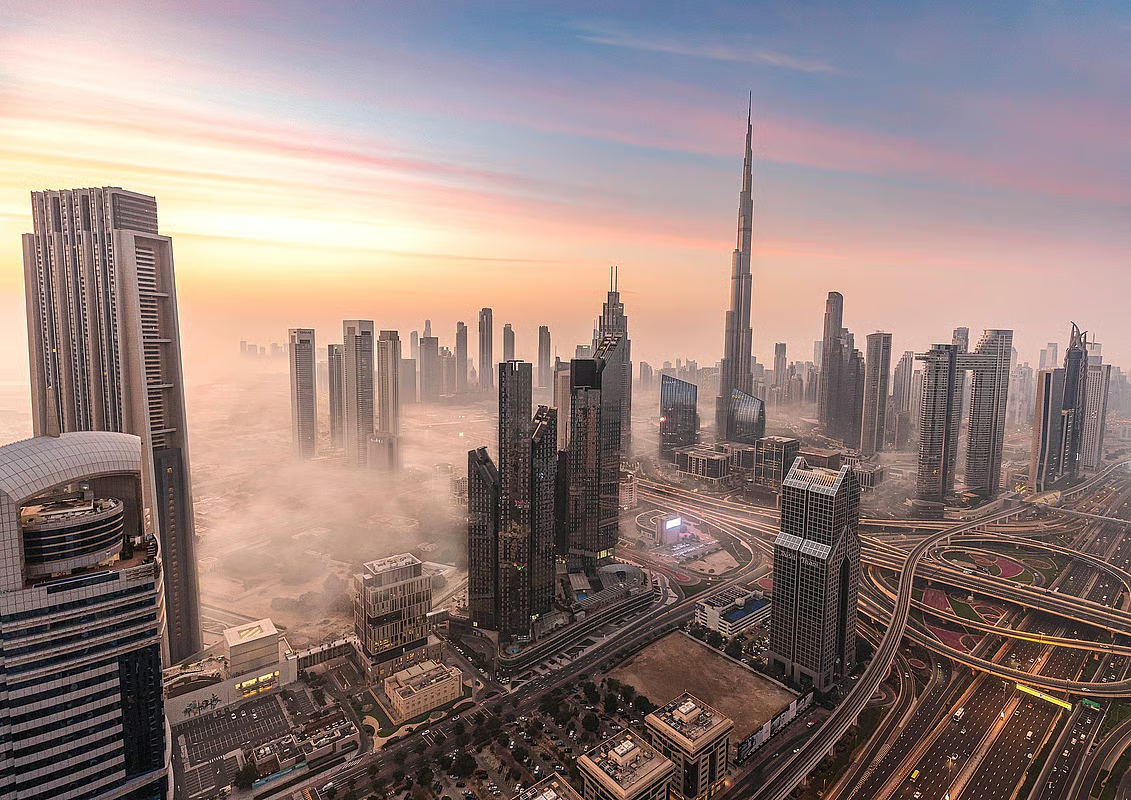
The GBR report also focused on the project distribution across Dubai. The primary areas of development remain in the Downtown and Business Bay zones, with an additional 30 projects in progress alongside the existing 15.
In the Marina/Beachfront zone, continuity is expected, with ten upcoming projects supplementing the existing eight. Dubai Internet City is set to introduce three new projects to an area currently without any branded residences.
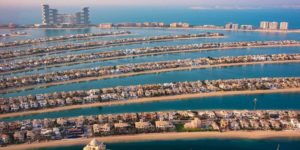
However, Palm Jumeirah is anticipated to experience a slowdown in the introduction of new branded projects, with five additions to the existing 12 over the next five years in this renowned urban-resort location.