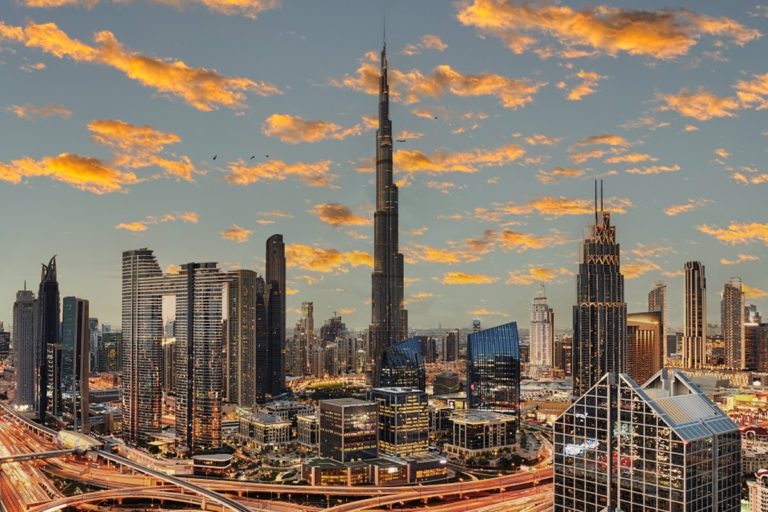
Dubai’s real estate market had a remarkable 2024, driven by strong demand in both residential and office sectors.
With supply struggling to keep up, rents, prices, and transaction volumes have surged, as per Cushman & Wakefield Core’s Dubai Annual Report 2024-2025.
Despite an increase in new stock, demand shows no signs of slowing, leading to further price growth in 2025, especially in the residential sector.
Dubai Real Estate Supply
Looking ahead to 2026-2027, major project completions and regulatory changes are expected to balance the market, reinforcing Dubai’s position as a global real estate hub.
Key Findings from the Cushman & Wakefield Core Report:
- Only 30,200 residential units were completed in 2024, 11% below forecasts and 30% lower than 2023.
- Dubai ranks second globally in office occupancy at 92%, with projections exceeding 94% by the end of 2025.
- Citywide residential rents and sales prices rose by 16% and 18% year-on-year, respectively.
- Office rents climbed 22% in 2024, with further increases of 10-12% projected for 2025.
- Large office spaces remain scarce, pushing major tenants to act quickly or consider emerging locations.
- Ultra-prime residential sales hit new highs as Dubai attracts the largest influx of millionaires globally. While new waterfront districts offer investment opportunities, long-term value compared to Palm Jumeirah remains uncertain.
Prathyusha Gurrapu, Head of Research and Consulting at Cushman & Wakefield Core, stated:
“With off-plan transactions now exceeding secondary market sales by more than double, Dubai’s residential sector is becoming increasingly investor-driven.
“This shift is pricing some end-users out, as investor-driven off-plan sales dominate. Rising inflation and affordability concerns, especially in the rental market, are pushing residents towards suburban areas and the Northern Emirates, creating new opportunities for investors and developers as local infrastructure expands.”
Robert Thomas, Head of Agency at Cushman & Wakefield Core, added:
“Dubai saw record-breaking commercial real estate transactions in 2024, including the highest-ever single-buyer deal—Aldar’s AED 2.3bn ($626m) acquisition of a major DIFC commercial tower.
“This institutional demand extends to the strata market, with successful off-plan commercial project launches and more announcements expected.”
A 41% increase in residential handovers is expected in 2025, with over 42,000 units entering the market. This will provide some relief, though rent and sales prices are still projected to rise by under 10% as supply builds.
New residential projects were launched every 15 hours in 2024, ensuring strong future inventory.
Dubai’s office market will see double the new supply in 2025 (1.66 million sq. ft.) compared to 2024, yet will likely remain undersupplied until 2027-2028.
DIFC is set to contribute a third of all new citywide office space over the next three years, most of which is expected to be pre-leased due to persistent demand.
Robert Thomas remarked:
“Demand for office space is surging as more companies enter Dubai and existing tenants expand.
“Although supply is growing, much of it is pre-leased or concentrated in specific free zones, intensifying competition. Many firms are now optimizing their existing spaces or considering emerging locations like Dubai CommerCity and Expo City Dubai.”
Dubai’s updated RERA index aims to enhance regulatory transparency, stabilize rental hikes, and incentivize landlords to upgrade assets for better returns.
Meanwhile, a UAE Central Bank directive, effective February 1, 2025, introduces an additional 6% down payment for mortgage buyers, impacting certain market segments.
Prathyusha Gurrapu noted:
“While these regulatory shifts will have varied effects, they will contribute to market stability, encourage asset improvements, and solidify Dubai’s standing as a top-tier real estate destination.
“The recent expansion of DLD freehold ownership along Sheikh Zayed Road and Al Jaddaf is a game-changer and may extend to other leasehold areas, increasing property values and diversifying ownership.
“The big question remains—will GCC landlords sell, particularly high-yield, debt-free properties?”
“The additional mortgage down payment may slow mid-market mortgage transactions, but overall, Dubai’s residential sector is expected to remain largely unaffected as off-plan and cash transactions continue to dominate.”