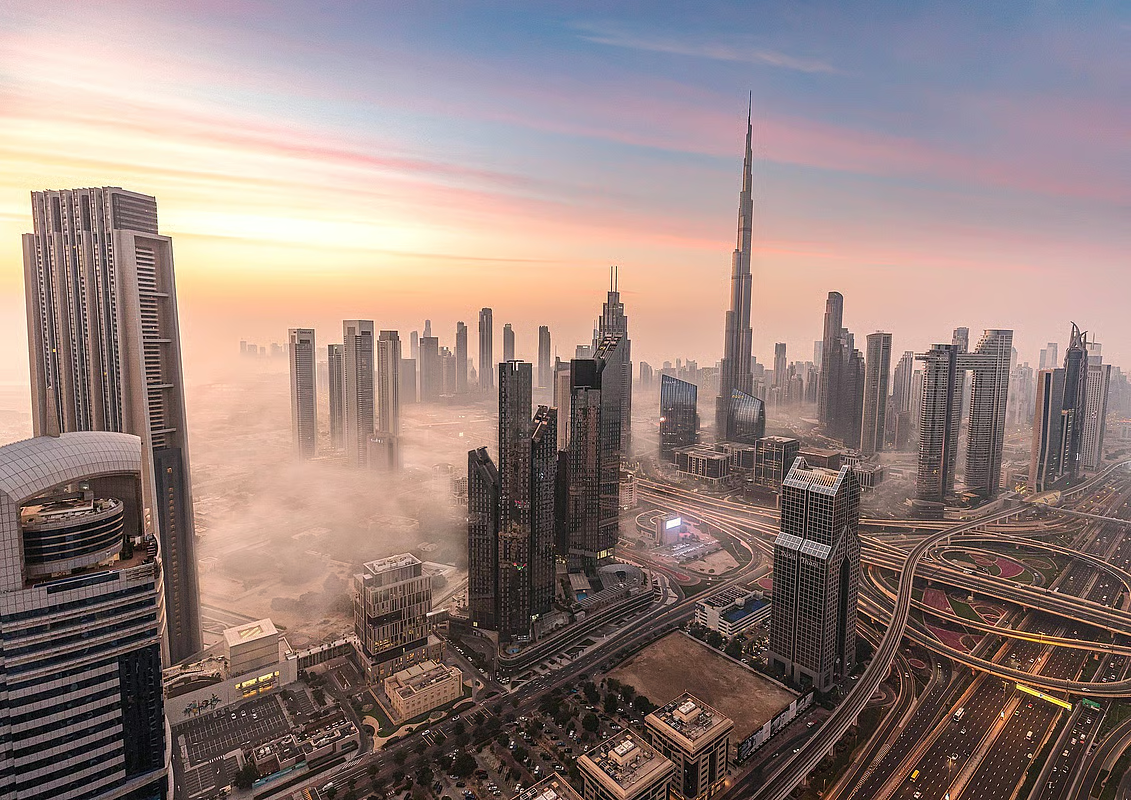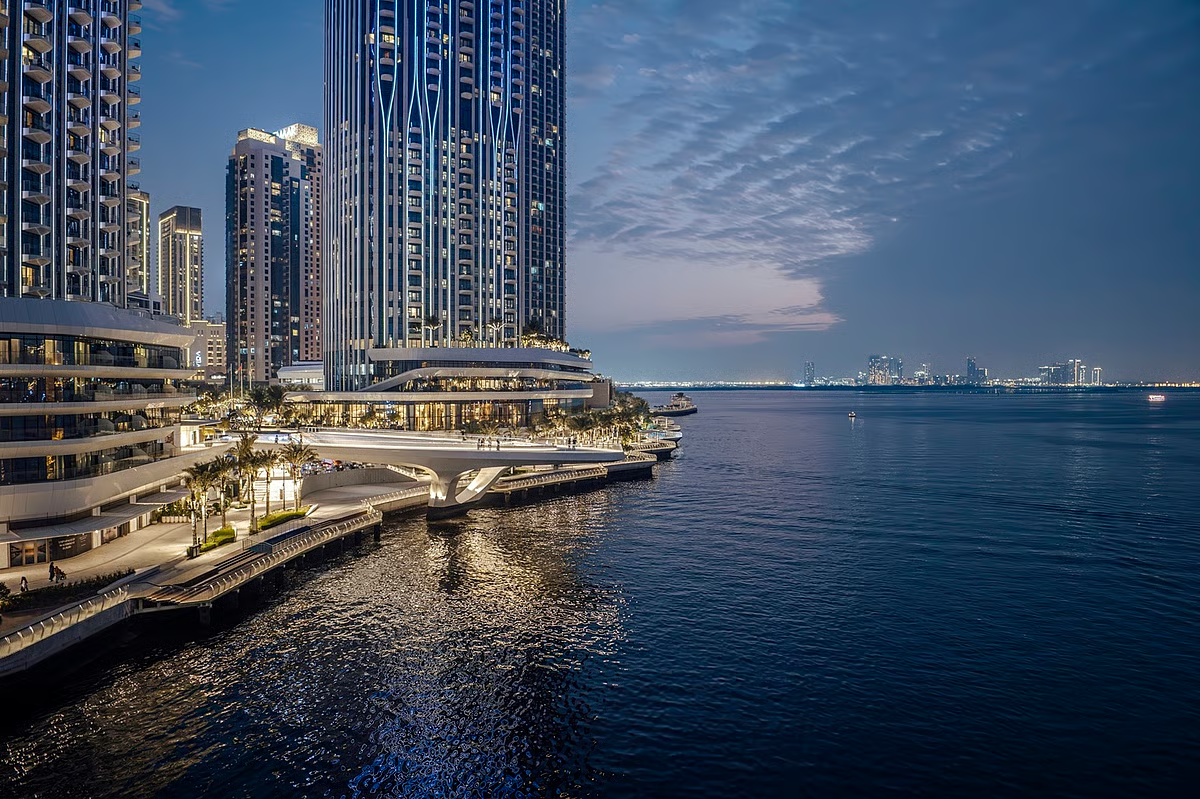
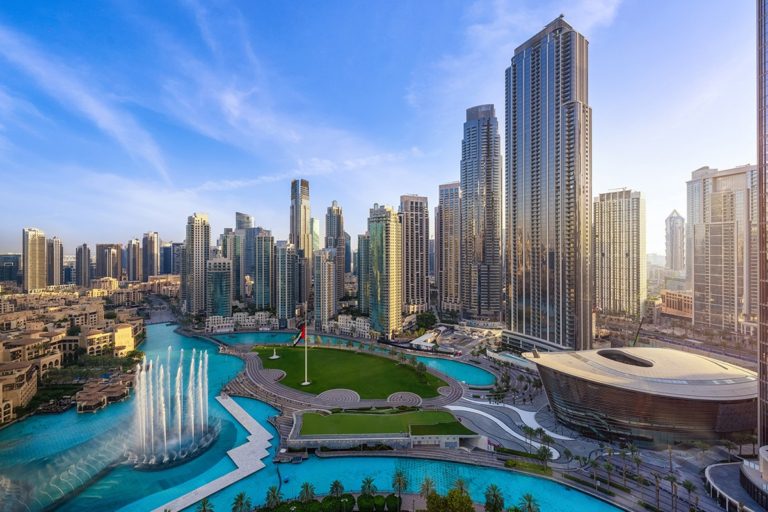
Dubai’s residential real estate market had an outstanding year in 2024, fueled by robust investor confidence and heightened demand for premium properties.
As per the latest report from Savills Middle East, the sector saw unprecedented transaction volumes, marking a 47% year-on-year increase, signaling the emirate’s growing appeal to high-net-worth individuals and international investors.
This growth was largely driven by a surge in off-plan sales, which made up 68% of all transactions, a notable rise from 55% in 2023.
Dubai Real Estate Growth
To meet this rising demand, developers launched over 50,000 units in 2024, a 25% increase compared to the previous year. Many high-quality projects from reputable developers sold out within weeks, thanks to attractive payment plans and promising investment potential.
Zone 6, covering areas like Jumeirah Village Circle, Dubai Hills Estate, and Al Barari, dominated the market, accounting for 51% of all transactions.
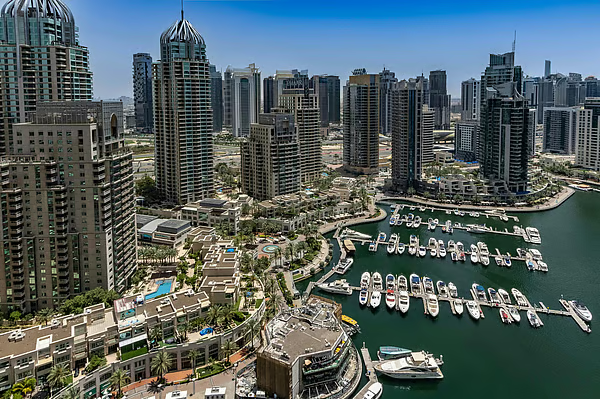
Established submarkets such as Dubai Marina, Business Bay, and Jumeirah Lakes Towers also saw strong activity, reflecting the ongoing demand for well-located and accessible properties.
Apartments made up 82% of all transactions, with off-plan apartment sales accounting for 68% of this figure, up from 58% in 2023.
Noteworthy launches included City Walk Northline by Meraas, Ocean Cove by Emaar, and Ghaf Woods by Majid Al Futtaim.
Villa transactions represented 18% of total sales, with significant demand concentrated in Zone 6. Notably, 68% of villa transactions were for under-construction properties, up from 45% in 2023. This highlights a growing preference for new developments in areas like Damac Hills 2, The Valley, and Dubai South.
Luxury housing saw substantial growth, with more than 4,600 units priced over AED 10 million ($2.7 million) sold in 2024, a 23% increase compared to the previous year.
The villa segment outpaced apartments, with luxury villa transactions rising by 33%, compared to just a 5% increase in the apartment market.
Premium areas such as Palm Jumeirah, La Mer, and Jumeirah Bay Island commanded the highest prices per square foot, showcasing their continued attraction for high-net-worth buyers.
Dubai’s rental market also experienced growth in 2024, driven by economic expansion and political stability. Apartment rents rose by 16%, while villa and townhouse rents increased by 13%.
Emerging submarkets, like Al Furjan, saw rental increases of up to 26%, underscoring the city’s evolving residential landscape.
Andrew Cummings, Head of Residential Agency at Savills Middle East, commented: “Dubai’s residential market continues to strengthen, bolstered by a steady stream of international investors, end-users, and a strong pipeline of high-quality projects.
“The emirate has solidified its reputation as a global hub for luxury living and investment opportunities, appealing to a wide range of buyers. Over the past year, we’ve reached significant milestones, including landmark sales in Tilal Al Ghaf and Palm Jumeirah, along with major land deals.”
Looking ahead, Dubai’s residential market is expected to maintain its growth trajectory in 2025. Trends such as strong investor confidence, rising demand for off-plan properties, and increasing interest in luxury housing are set to continue.
Developers are likely to keep delivering high-quality projects, presenting exciting opportunities for investors and end-users to benefit from Dubai’s ongoing growth and development.