The warehousing sector recorded 8,600 rental transactions in H1 2025, up nearly 60 percent year-on-year and 28 percent higher than H2 2024. The surge reflects the city’s growing position as a regional logistics and distribution hub, underpinned by e-commerce expansion and resilient trade activity.
Annual warehouse rents rose by an average of 14 percent, with Jebel Ali seeing the highest increase at 20 percent. Other strong-performing areas included Ras Al Khor (17.3 percent), Umm Ramool (16.6 percent), Dubai Investments Park (15.6 percent) and Dubai Industrial City (14 percent).

“Dubai is firmly established as a key regional hub for distribution and logistics, and demand for warehousing is growing exponentially,” said Vidhi Shah, Director and Head of Commercial Valuation at Cavendish Maxwell. “Quality warehouses in strategic locations recorded the best performance in terms of rental increases, highlighting the demand for modern facilities close to major roads, ports and airports.”
Shah added that with high occupancy rates and limited new supply, tenants are increasingly seeking space in neighbouring emirates when suitable options or pricing are unavailable in Dubai.
Retail sees mixed performance
In contrast, Dubai’s retail market recorded around 500 sales transactions worth AED 1.4 billion in H1 2025. Overall volume and value declined by 17.3 percent and 1.8 percent year-on-year, largely due to a slowdown in off-plan activity. However, the ready retail segment performed strongly, with sales volumes up 13.2 percent and transaction values rising by 40.1 percent.
On the rental front, contracts increased compared to the second half of 2024 but fell year-on-year. Renewal activity strengthened as tenants opted to extend existing leases rather than relocate amid limited supply and rising rents. Renewal transactions rose nearly 38 percent from H2 2024.
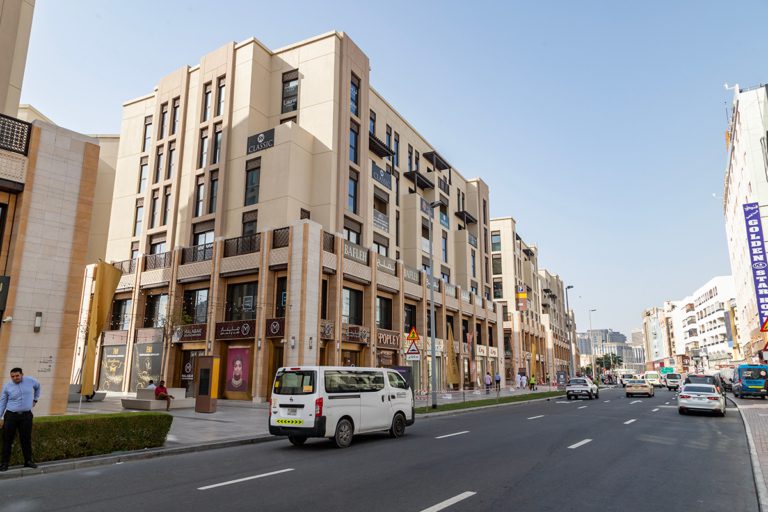
Citywide retail rents climbed 8.3 percent over the past 12 months. Prime destinations and high-footfall outlets maintained premium rates, while secondary areas saw tenants resist rent hikes and negotiate more flexible terms.
Cavendish Maxwell noted that both Emaar and Majid Al Futtaim maintained average occupancy rates of 98 percent across their mall portfolios during H1 2025, reflecting sustained tenant demand. Newly opened retail destinations such as Nad Al Sheba Mall added supply, with Damac Mall set to follow in the second half of the year.
Low-density destinations such as Alserkal Avenue, Al Marmoom and Al Khawaneej are reshaping Dubai’s retail dynamic by curating experiences rather than simply adding space. “The next retail advantage lies in creating reasons for people to cross the city — not just building around local catchments,” said Siraj Ahmed, Director and Head of Strategy and Consulting at Cavendish Maxwell.
Population growth, a steady rise in tourism and the continued expansion of regional and international brands are expected to sustain retail demand through the end of 2025.