Where you live shapes nearly every aspect of your life — from your career and social circle to your lifestyle and even family planning.
Housing lies at the core of many societal challenges. In places where supply is limited, artificial scarcity drives prices up, which, in turn, affects population growth and dampens economic performance.
Interestingly, research shows that higher density helps alleviate overcrowding. A greater number of available units means more people can reside in their preferred areas, rather than squeezing into limited spaces.
The most effective way to combat rising housing costs is through increased supply — a key factor that helps moderate prices. This is especially relevant in economies increasingly driven by intangible capital, a direction in which Dubai and the UAE are actively heading.
More Homes, Higher Productivity
Expanding housing stock not only attracts talent and investment but also fuels productivity. When housing costs rise, people tend to move farther from economic hubs, spend more time commuting, and have less time for personal and family life.
To address this, Dubai has rolled out initiatives for first-time homebuyers — a move that is likely to be replicated across the Gulf. Research shows that each time a city doubles in size, productivity increases by an average of 2%, with even greater gains in central, well-connected areas.
Despite this, some market commentators — including financial analysts — argue that there isn’t a supply issue, insisting that prices will continue to climb indefinitely. But prices, unlike trees, can’t grow endlessly.
Falling Rents Signal a Shift
Property prices have significantly outpaced income growth. For them to align more closely with replacement costs, a considerable increase in supply is necessary — and this correction appears to be underway.
In Dubai, where demand often responds to policy changes and external factors, developers sometimes adjust the pace of handovers to manage market absorption. But this is often a reaction to broader dynamics, not a deliberate strategy.
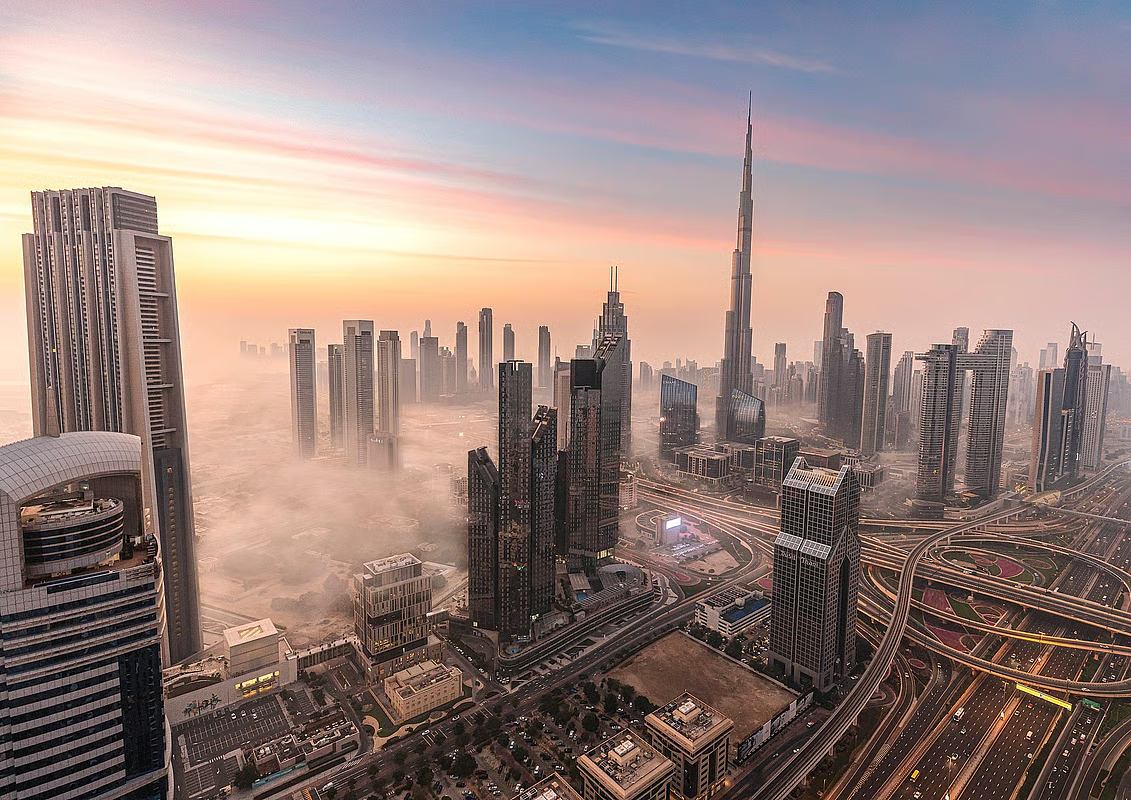
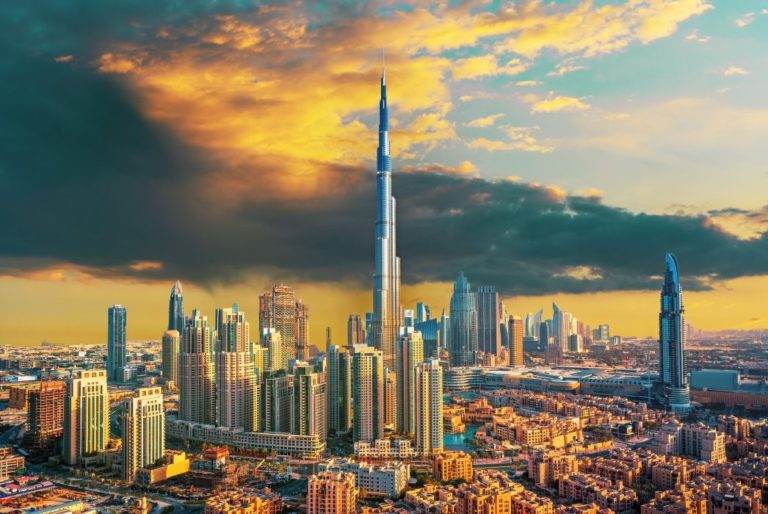
As a result, rents and prices in areas like Downtown Dubai and International City have started to decline. This trend is now shifting attention to the luxury segment, which has seen the bulk of recent development.
This correction should be seen as a positive shift — expanding affordability and enabling other parts of the economy to thrive. Mid-income areas such as Arjan, Mayan, and JVC have also seen rent decreases, following sharp post-Covid increases that pushed prices beyond reach for many households. This runs counter to the inclusive vision that originally guided these communities’ design.
A City Designed for Everyone
Guided regulation and market dynamics form the core of Dubai’s Urban Plan 2040, which promotes the idea that rising demand should lead to increased supply — rather than scarcity — as seen in global cities like Tokyo and Seoul, or New York pre-1920s.
Dubai’s goal is not to cater only to luxury lifestyles but to create a city where affordability is achievable through mechanisms like price corrections and broader housing options. This approach fosters better jobs, stronger communities, and improved quality of life.
The latest initiative for first-time homebuyers is a step toward that vision — and it’s likely just the beginning.