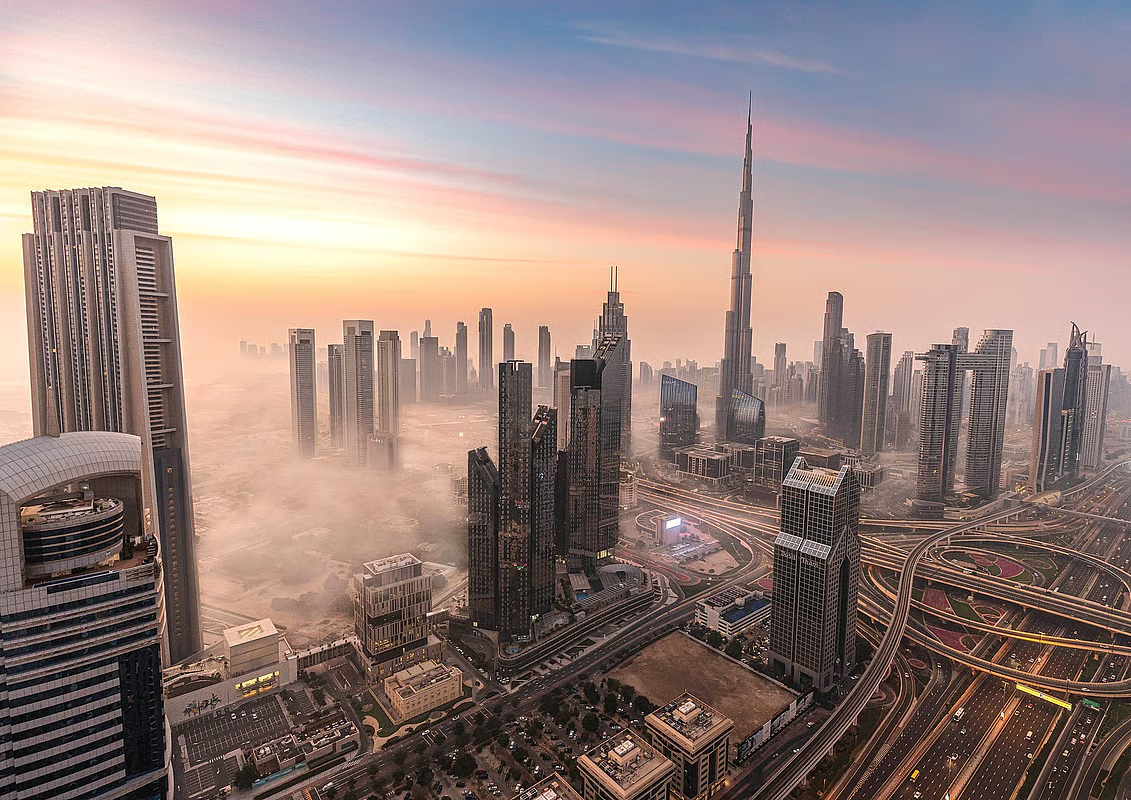
The UAE has earned a strong reputation as a land of opportunity at a time when much of the world is grappling with sluggish economic growth. Both Abu Dhabi and Dubai frequently rank high in regional and global quality-of-life indexes, reflecting their vibrant and increasingly diverse economies. While Dubai is widely known for its iconic skyline and luxurious lifestyle, a more layered narrative is emerging—especially within the emirate’s evolving housing market.
Just days ago, the Dubai Land Department (DLD) announced a partnership with 13 developers and five banks to launch a new initiative aimed at helping first-time buyers enter the property market. Under this scheme, participating developers will offer flexible payment options, early access to new projects, and price reductions on off-plan properties. Partner banks will provide improved mortgage terms, faster approvals, lower fees, and the option for buyers to pay the DLD registration fee using credit cards or through banks at zero interest. Open to all Emirates ID holders aged 18 and above, regardless of nationality or minimum salary, the programme is designed to be widely accessible.
This well-rounded initiative has the potential to transform Dubai’s property landscape — but its impact could extend even further. With the UAE already offering retirement and remote work visas, alongside its expanded 10-year golden visa programme and robust economic growth, the country is increasingly attracting long-term residents from diverse backgrounds. By turning homeownership into a realistic goal for more people, the UAE is not only empowering individuals but also building the foundation for a more resilient society and sustainable future.
The DLD anticipates that the programme will bring 5,000 new investors into the market in 2025. This could translate into thousands of new families owning homes in the UAE or acquiring valuable assets that build generational wealth. Homeowners tend to invest in their homes and local communities, which can lead to stronger, more connected neighbourhoods. By expanding access to property ownership, Dubai is likely to foster deeper community bonds and further strengthen its appeal in the global competition for top talent.
There are also short-term benefits. A thriving real estate sector boosts construction activity, generating jobs for architects, contractors, suppliers, and skilled workers across related industries. However, such growth will need to be managed carefully—no matter how thoughtfully planned, even the best first-time buyer initiatives can be impacted by market fluctuations.
As the UAE continues its dynamic evolution, enabling more people to own homes and build intergenerational wealth is likely to yield lasting social and economic benefits. Beyond addressing a basic human need, this vision supports stronger communities and a more inclusive future for all.