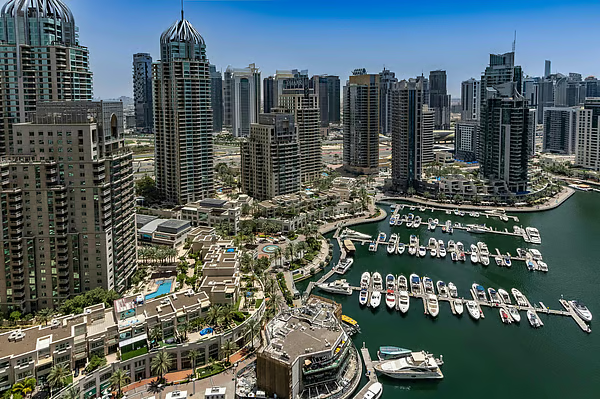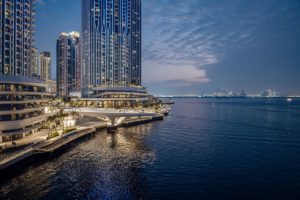
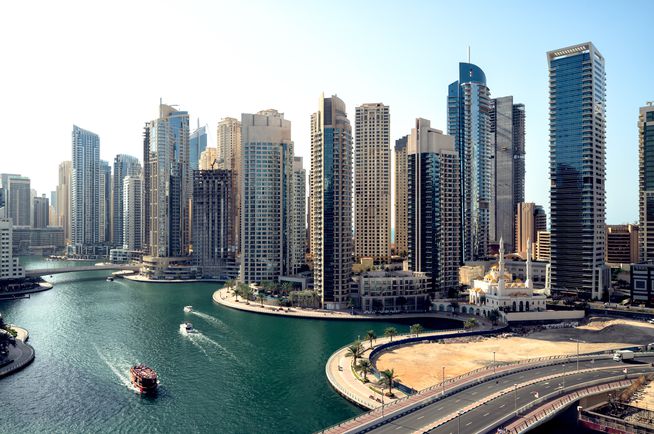
Dubai’s property market has witnessed an extraordinary surge in demand, with Q4 2024 achieving the highest-ever quarterly sales, indicating a positive outlook for 2025. The city’s real estate sector continues to draw investors and homebuyers, supported by favorable economic conditions and government initiatives aimed at fostering growth. This trend suggests that Dubai’s property market is likely to sustain its momentum, solidifying its position as a premier global destination for real estate investment.
According to the Dubai Land Department (DLD), real estate transaction values in Q4 2024 reached unprecedented levels, surpassing all previous records. Alongside the increase in sales volume, average property prices have also risen, driven by strong demand across residential and commercial segments. This robust performance is largely attributed to Dubai’s resilient economic recovery, growing investor confidence, and an expanding population seeking high-quality housing and investment opportunities.
A significant driver of this growth is the luxury real estate segment, which has experienced a remarkable surge. High-net-worth individuals and international investors are particularly drawn to prime residential properties, with villas, penthouses, and beachfront developments witnessing notable price hikes. As global travel restrictions ease, international investors have returned to the market, viewing Dubai’s luxury properties as attractive and secure investments.
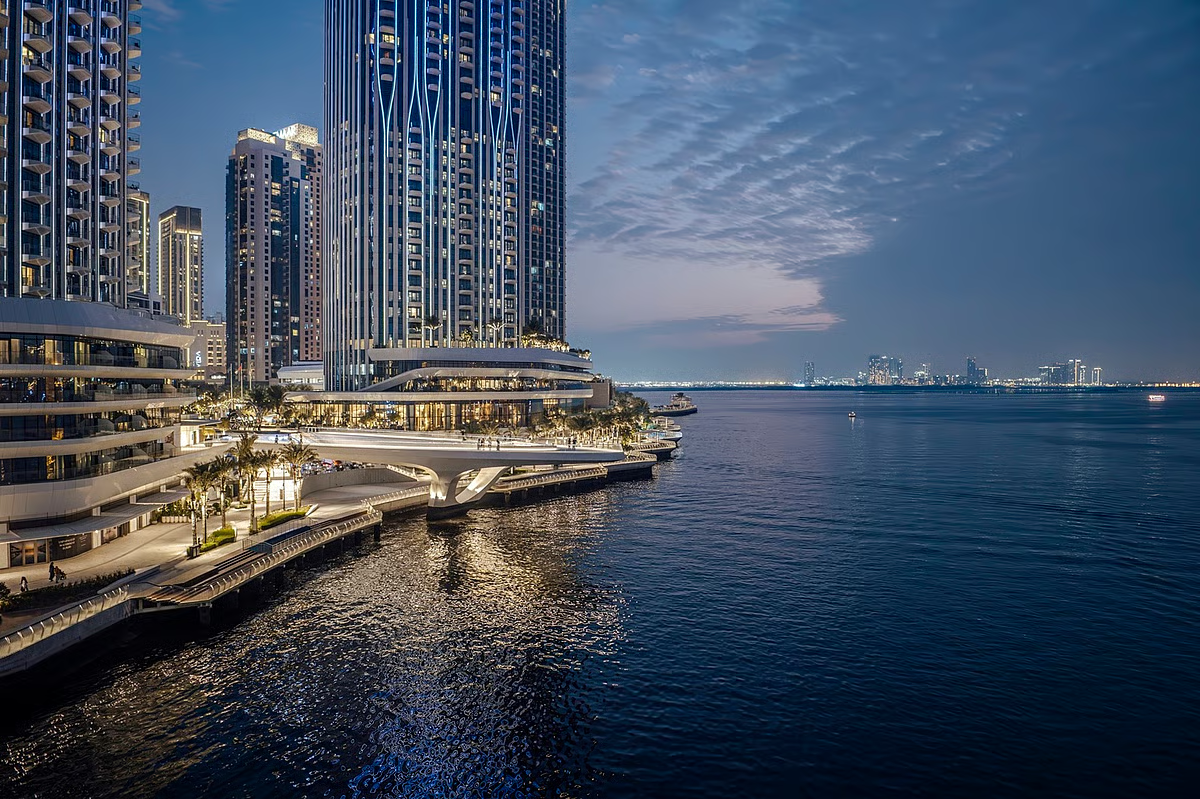
Beyond the luxury sector, there is a growing demand for mid-market housing. Developers are responding to this need by focusing on affordable housing projects that cater to the city’s burgeoning middle class. Large-scale developments in areas like Dubai South, Dubai Creek Harbour, and Mohammed bin Rashid City are addressing this demand, offering diverse options for homebuyers.
The government’s proactive efforts to shape the real estate landscape play a critical role in the market’s success. Initiatives such as long-term visas, tax incentives, and investor-friendly policies continue to create a supportive environment for property ownership. Additionally, the legacy of Expo 2020 Dubai, despite its delayed start, has had a lasting impact on the city’s infrastructure, further attracting global investment and interest. Dubai’s dynamic economy, with sectors like tourism, technology, and finance growing rapidly, reinforces the real estate market’s potential for continued expansion.
Dubai’s strategic location as a global financial hub and a gateway between East and West remains a key factor for international buyers. The city’s focus on diversification in areas such as fintech, renewable energy, and logistics enhances its appeal to investors seeking both growth and stability. This positions Dubai’s real estate market as a strong performer compared to other major global cities.
The UAE’s Vision 2025 plan, which includes goals like boosting tourism, enhancing urban infrastructure, and promoting a knowledge-based economy, is expected to drive further demand for residential and commercial properties. These national initiatives enhance Dubai’s reputation as a thriving hub for business and leisure, encouraging local and international investments alike.
As Dubai’s economy continues to evolve and diversify, real estate will remain a cornerstone of growth. Infrastructure advancements, such as the expansion of the Dubai Metro and road networks, are anticipated to play a pivotal role in supporting property market growth in both established and emerging areas. Additionally, a growing emphasis on sustainability has led to increased interest in eco-friendly properties, appealing to environmentally conscious buyers and investors.
While the residential market currently leads the way, other segments are also benefiting from this upward trend. Dubai’s commercial real estate sector has seen strong demand, especially for office spaces and retail developments. As more businesses, particularly in tech and finance, establish themselves in the city, the need for premium office spaces in prime locations has risen. Moreover, the hospitality industry has experienced growth, with new luxury hotels and resorts drawing international and regional visitors, further bolstering the tourism sector.
Looking ahead to 2025, experts predict that Dubai’s property market will remain attractive to investors, especially those seeking stability amid global economic uncertainties. Analysts are optimistic about the long-term outlook, with rising demand for both luxury and affordable housing creating a well-balanced real estate ecosystem. The city’s projected economic growth and its increasing prominence as a global business hub position Dubai for sustained success in the property market.
Despite the positive outlook, challenges persist, including rising construction costs and the risk of market saturation in certain areas. However, developers are adapting by embracing innovative design and sustainable building practices. New projects are expected to continue launching at a strong pace, focusing on meeting the needs of Dubai’s diverse population. Whether through eco-friendly construction, mixed-use developments, or community-oriented designs, the city’s real estate sector is evolving to align with the preferences of modern buyers and investors.