Overview
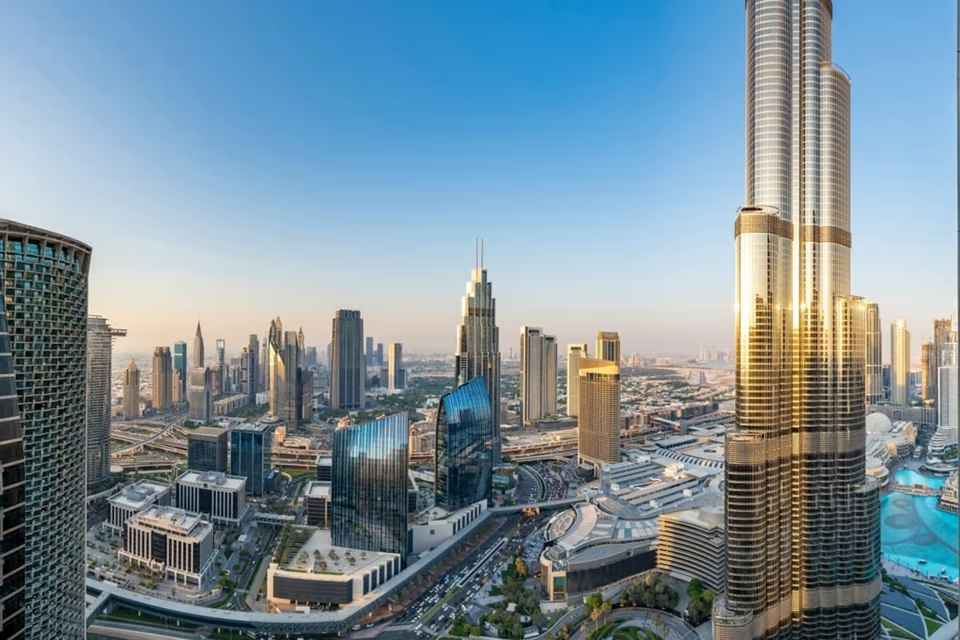
The Middle East and Africa region is entering a decisive phase of long-term development, backed by an estimated $3 trillion pipeline in real estate and infrastructure projects planned through 2030. This scale of investment reflects deep confidence in the region’s economic future, urban expansion, and rising population needs. Governments across the region are prioritizing large, transformative projects that aim to reshape cities, improve livability, and strengthen global competitiveness. The pipeline covers a wide range of sectors, from residential and commercial real estate to transport networks, logistics corridors, and essential infrastructure. Together, these developments signal a shift toward more integrated, future-ready urban environments designed to support both economic diversification and sustainable growth over the coming decade.
Regional Development Momentum
The scale of planned investment highlights how the Middle East and Africa are positioning themselves as major global growth hubs. Countries across the region are accelerating development to attract foreign investment, expand non-oil sectors, and build resilient economies. Rapid urbanization, population growth, and evolving lifestyle demands are pushing governments to invest in smart cities, mixed-use communities, and large infrastructure upgrades. These projects are not only designed to meet immediate demand but also to prepare cities for long-term economic transformation. The focus is increasingly on building ecosystems where residential, commercial, technology, tourism, and logistics sectors work together to create sustainable and diversified economies capable of competing on a global scale.
UAE Leading the Growth
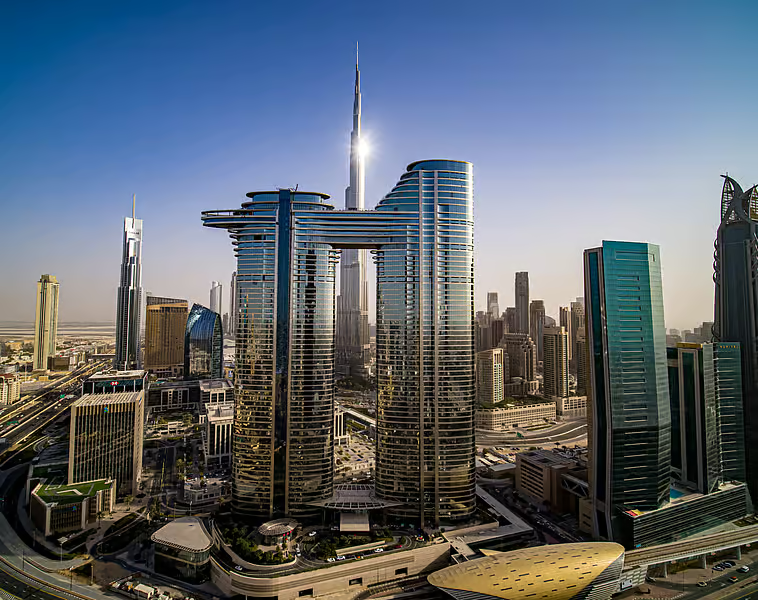
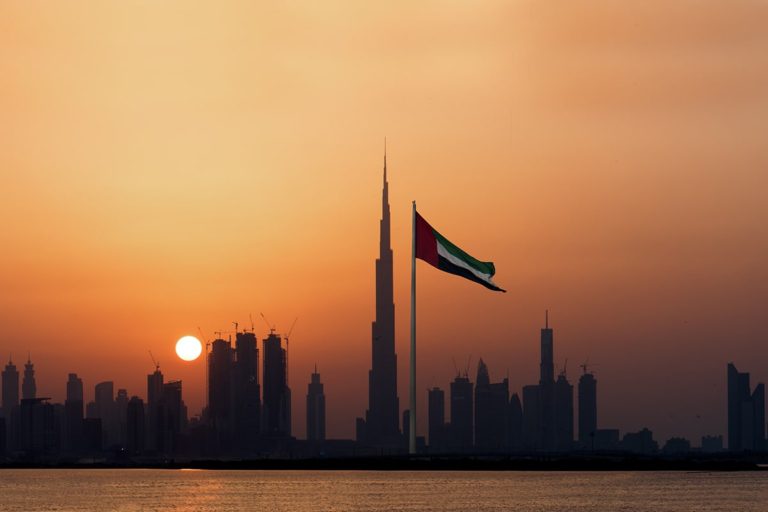
Within this broader regional expansion, the UAE stands out as the primary driver of growth and development. The country is expected to remain one of the strongest-performing real estate and infrastructure markets between 2026 and 2030. Strategic planning, investor-friendly policies, and consistent project execution have positioned the UAE at the center of regional investment activity. Long-term national visions focused on innovation, sustainability, and economic diversification continue to attract global investors, developers, and institutions. The UAE’s ability to anticipate future demand and act early has allowed it to maintain momentum even during global uncertainty, reinforcing its reputation as one of the most stable and forward-looking markets in the region.
Role of Real Estate in Economic Expansion
A significant portion of the overall pipeline, approximately $470 billion, is allocated specifically to real estate development. This includes residential communities, commercial districts, hospitality projects, retail destinations, and large mixed-use master developments. Real estate continues to serve as one of the core engines of economic activity, driving employment, investment, and urban growth. The focus is shifting toward integrated communities that combine living, working, and lifestyle experiences within a single environment. Developers are increasingly prioritizing sustainability, smart infrastructure, and high-quality urban planning to meet the expectations of modern residents and global investors. The continued expansion of the real estate sector reflects strong long-term demand supported by population growth, business expansion, and global capital inflows.
Residential Market Transformation
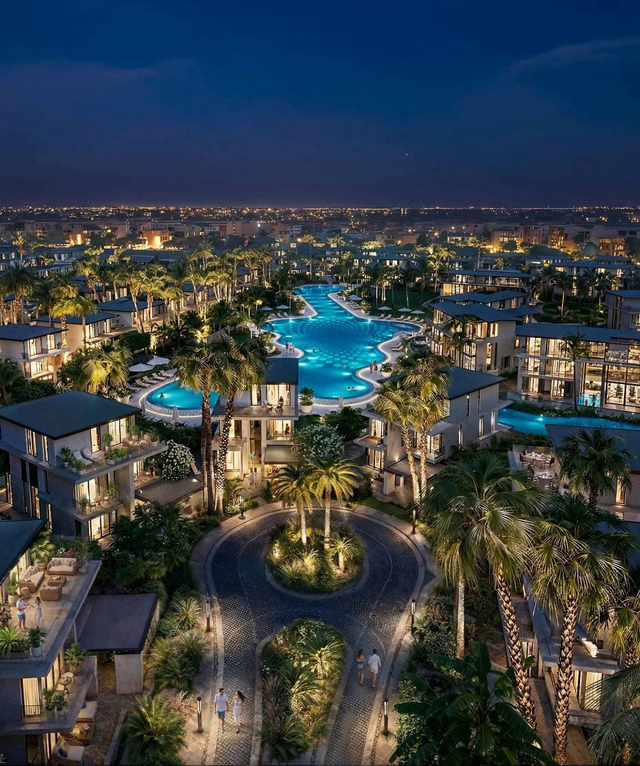
Residential real estate is expected to remain one of the most active segments within the pipeline. Growing populations, rising migration, and changing lifestyle preferences are increasing demand for both affordable and premium housing. Master-planned communities, waterfront developments, and sustainable neighborhoods are becoming central to urban expansion strategies. Developers are focusing on creating environments that offer not just housing but complete lifestyle ecosystems, including green spaces, schools, healthcare, and retail. This shift toward community-driven planning is reshaping how cities grow and how residents interact with urban spaces. The continued growth of the residential sector is expected to support long-term stability in the real estate market while also contributing to broader economic development.
Commercial and Mixed-Use Expansion
Commercial real estate and mixed-use developments form another critical component of the region’s investment pipeline. As economies diversify and business sectors expand, demand for office spaces, business districts, and integrated commercial environments continues to grow. Mixed-use developments that combine residential, retail, hospitality, and office components are becoming increasingly popular, reflecting a global shift toward more connected and efficient urban design. These projects aim to reduce travel time, improve convenience, and create vibrant city centers that remain active throughout the day. The expansion of commercial real estate also supports entrepreneurship, corporate growth, and international business presence, reinforcing the region’s position as a global economic hub.
Infrastructure as the Foundation of Growth
Infrastructure development plays a crucial role in supporting real estate expansion and long-term economic sustainability. Major investments are being directed toward transport networks, logistics systems, utilities, and urban connectivity. Roads, rail networks, ports, and airports are being expanded and modernized to improve mobility and strengthen trade routes. Smart infrastructure and digital connectivity are also becoming priorities as cities move toward technology-driven urban systems. Reliable utilities, energy systems, and water management are essential for supporting population growth and ensuring sustainable urban living. These infrastructure projects not only support current development but also lay the groundwork for future economic expansion and regional integration.
Urban Innovation and Sustainability
Sustainability and innovation are increasingly central to the region’s development strategy. Governments and developers are focusing on energy-efficient buildings, renewable energy integration, smart city technologies, and environmentally responsible urban planning. The goal is to create cities that are not only economically strong but also environmentally sustainable and resilient. Green building standards, digital infrastructure, and intelligent urban systems are shaping how future developments are designed and operated. These initiatives are aligned with broader global sustainability goals and reflect the region’s commitment to long-term environmental responsibility while maintaining strong economic growth.
Investment Climate and Market Confidence
Strong capital inflows and investor confidence continue to support the region’s development pipeline. International investors, institutions, and developers are increasingly attracted by stable economic policies, long-term growth prospects, and large-scale development opportunities. The UAE, in particular, has built a reputation for transparency, stability, and strong regulatory frameworks, making it a preferred destination for global investment. Continued government support, infrastructure expansion, and economic diversification are expected to maintain positive market sentiment. The steady flow of new projects demonstrates confidence in the region’s long-term trajectory and its ability to sustain growth across multiple sectors.
Long-Term Outlook
Looking ahead, the $3 trillion development pipeline represents more than just construction activity. It reflects a broader transformation of the region’s economic and urban landscape. Continued investment in real estate, infrastructure, and innovation is expected to support sustained growth through 2030 and beyond. The UAE’s leadership, combined with strong regional momentum, positions the Middle East and Africa as key players in global development and investment. As projects move from planning to execution, they are likely to reshape cities, strengthen economies, and create new opportunities for businesses, investors, and residents alike. The long-term outlook remains positive, driven by strategic vision, consistent development, and a commitment to building future-ready urban environments.