
Dubai’s real estate landscape is gradually transforming into a seller’s market, allowing investors to capitalize on the gains achieved over the past three years of surging property prices. Experts suggest that the recent upswing in real estate values is showing signs of slowing down, prompting some investors to consider selling their properties and redirecting their funds towards emerging markets with potentially higher returns.
Dubai’s real estate sector has witnessed multiple price hikes, surpassing the peak recorded in 2014, mainly due to exceptional demand in the post-pandemic era. Interestingly, a significant number of buyers who entered the market during the pandemic are now taking advantage of the substantial gains accrued in recent years, experiencing an asset value increase of up to 200 percent.
According to a study by Betterhomes, sellers are currently in a favorable position, benefiting from increased real estate transactions and escalating prices driven by heightened buyer demand. Louis Harding, the Managing Director of Betterhomes, highlights the potential for sellers to achieve a lucrative return on investment in this rapidly expanding market. Moreover, selling property in Dubai comes with the advantage of zero capital gains or property taxes. The burgeoning population in Dubai further contributes to the growing demand for properties, particularly in areas with limited supply.
Toni Abou Jaoude, the Sales Manager at Betterhomes, emphasizes that optimal selling conditions arise when achieved prices result in significant profits, allowing for further reinvestment in properties post-sale. This serves as a strong motivator for sellers to capitalize on the current market conditions and reinvest their gains in additional properties.
Analyzing data trends, Abou Jaoude asserts that a seller’s market in Dubai is characterized by robust demand, limited inventory, and a consistent pattern of delivering higher returns to investors and end-users. Over the past two years, the demand among end-users has doubled, driven by an unprecedented surge in rental prices across the city, establishing it as a seller’s market for those seeking to realize profits from their real estate investments.
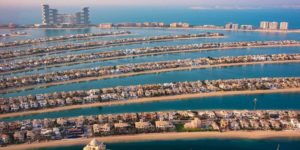
Abou Jaoude also notes a substantial increase in the value of properties purchased during the pandemic year, with estimates ranging from a conservative 50% to as much as 200 percent in certain areas. He identifies downtown, District 1 MBR, Jumeirah, Palm Jumeirah, DIFC, and communities like Bulgari, La Mer, Nikki Beach, and MJL as the prime areas for favorable returns.
HEADWINDS IN 2024
Driven by population growth and an influx of high-net-worth individuals, Dubai’s property market concluded 2023 on a positive note, achieving significant milestones even amid peak interest rates, as per Mayed Alrashdi, a research analyst at Emirates NBD.
However, Alrashdi anticipates challenges for Dubai’s real estate market in 2024, citing ongoing high interest rates, decreasing affordability for average households, and an increase in the supply of new units.
He noted that the impact of last year’s high-interest rates manifested in a 7% annual decline in the total value of mortgage transactions, amounting to Dh125 billion.
“The swift price growth, combined with the high-interest rate environment, has affected housing affordability for the average household. The expected rise in supply, encompassing 41,500 apartments and 18,500 villas in 2024, is poised to contribute to stabilizing residential real estate prices this year,” he concluded.