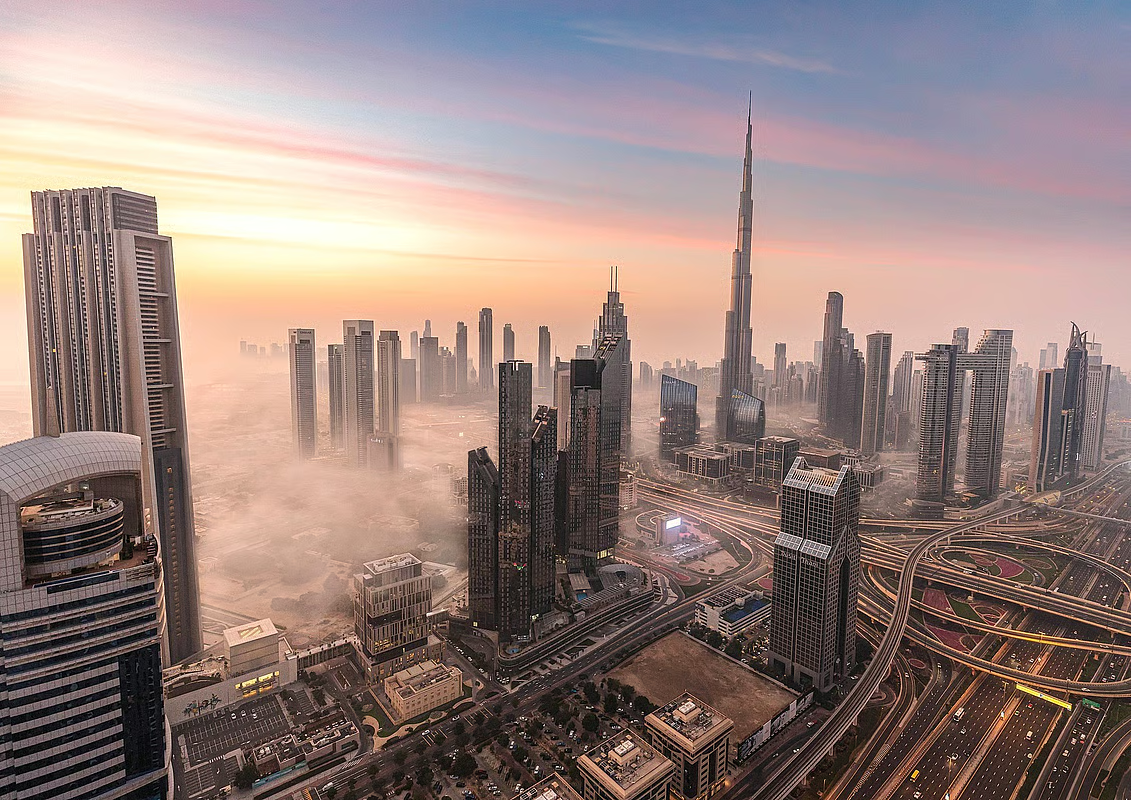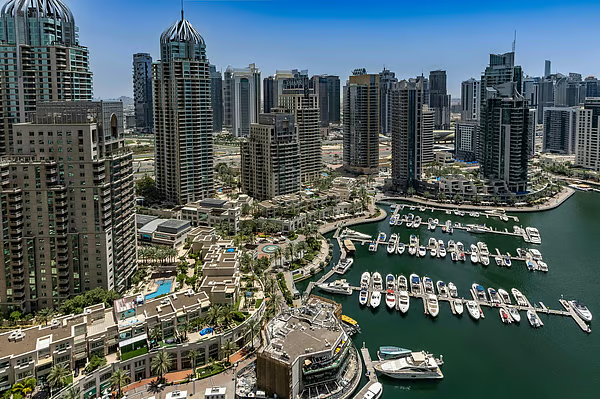

In the first quarter of 2024, Dubai’s real estate sector saw unprecedented activity, registering more than 34,000 transactions. This surge was fueled by strong demand despite limited supply, buoyed by a flourishing luxury market and increasing rental rates in various neighborhoods.
In the first quarter of 2024, the Dubai real estate market experienced an unparalleled surge, surpassing previous records with over 34,000 transactions documented at the Dubai Land Department (DLD), as outlined in a recent report.
This remarkable number signifies a 20 percent rise compared to the corresponding period in 2023, solidifying Q1 2024 as the most active quarter ever recorded for the emirate’s property sector.
The removal of the UAE from the FATF Grey List has been a significant factor in driving the ongoing bullish market, which shows no signs of deceleration, as indicated by the Betterhomes Q1 2024 Residential Market Report.
“Q1 2024 officially marked the largest quarter on record for the Dubai real estate market, with over 34,000 transactions logged at the DLD. The removal of the UAE from the FATF Grey List suggests that the current bullish trend is likely to persist. March saw a 34 percent year-on-year increase in sales agreed at Betterhomes, and the impact of these newly inked deals will be reflected in the forthcoming quarter’s figures, indicating the market’s sustained momentum despite recent rainfall,” stated Richard Waind, Chief Executive Officer of Betterhomes.
Dubai price trends to persist throughout 2024 and into 2025
In the initial three months of 2024, the population increased by 26,000, yet only around 6,500 new homes were delivered, worsening the supply-demand gap.
This shortage of available homes has led to a 22 percent year-on-year rise in rental prices, affecting the rental market.
The villa sector has been particularly impacted by the lack of supply in the secondary market, according to Waind.
Although secondary sales declined in Q1, the off-plan market more than compensated, with over one project launched daily between January and March. Off-plan sales now represent 58 percent of all transactions in the emirate.
Looking forward, with Dubai continuing to attract talent at its current pace, Waind expects existing price trends to persist throughout 2024 and into 2025.
Relief from the supply shortage isn’t anticipated until 2026 and 2027 when a significant volume of supply is projected to enter the market, potentially easing price pressures, according to Waind.
The much-anticipated decrease in interest rates seems unlikely until later in the year, as US employment figures continue to exceed expectations, and US inflation remains high.
Increased demand and buyer profiles
The influx of new residents has resulted in a 31 percent rise in buyer inquiries at Betterhomes, with average selling prices for apartments and villas increasing by 3 percent and 13 percent, respectively.
Notably, the percentage of mortgage buyers has risen to 37 percent, compared to 35 percent in the same period last year, driven by the increasing number of end-users, now standing at 63 percent.
Indians and British nationals remain the top buyers at Betterhomes, along with prominent buyer nationalities from France, Italy, and the UAE, highlighting Dubai’s enduring appeal to investors globally.
Thriving luxury market
Dubai’s luxury market, defined as transactions over AED15 million, has seen a 30 percent increase, reaffirming the city’s position as a global hub for high-end branded residences.
Secondary transactions have surged by 46 percent, while off-plan transactions have seen a modest 4 percent increase.
In the secondary market, Palm Jebel Ali leads with 82 transactions, followed by Palm Jumeirah with 48 and Sobha Hartland II (MBR) with 33.
In the off-plan market, Palm Jumeirah recorded 51 transactions, with Dubai Water Canal and Dubai Healthcare City II following with 28 and 18 transactions, respectively.
Rental market dynamics
Tenant inquiries at Betterhomes increased by 8 percent, driven by a 7 percent increase in apartment inquiries and a significant 19 percent surge in villa inquiries, while townhouse inquiries decreased by 19 percent.
However, leasing transactions saw a substantial 21 percent decrease, consistent with the rising rental prices, prompting tenants to renew existing contracts rather than seek new properties.
The recent revision of the RERA Calculator index in March could potentially lower rents over the long term, as the previous version caused a significant gap between renewal and open market prices, leading to stagnant market conditions and limited property supply.
Rental price trends in Dubai
Rental prices in all communities experienced consistent increases compared to Q1 2023.
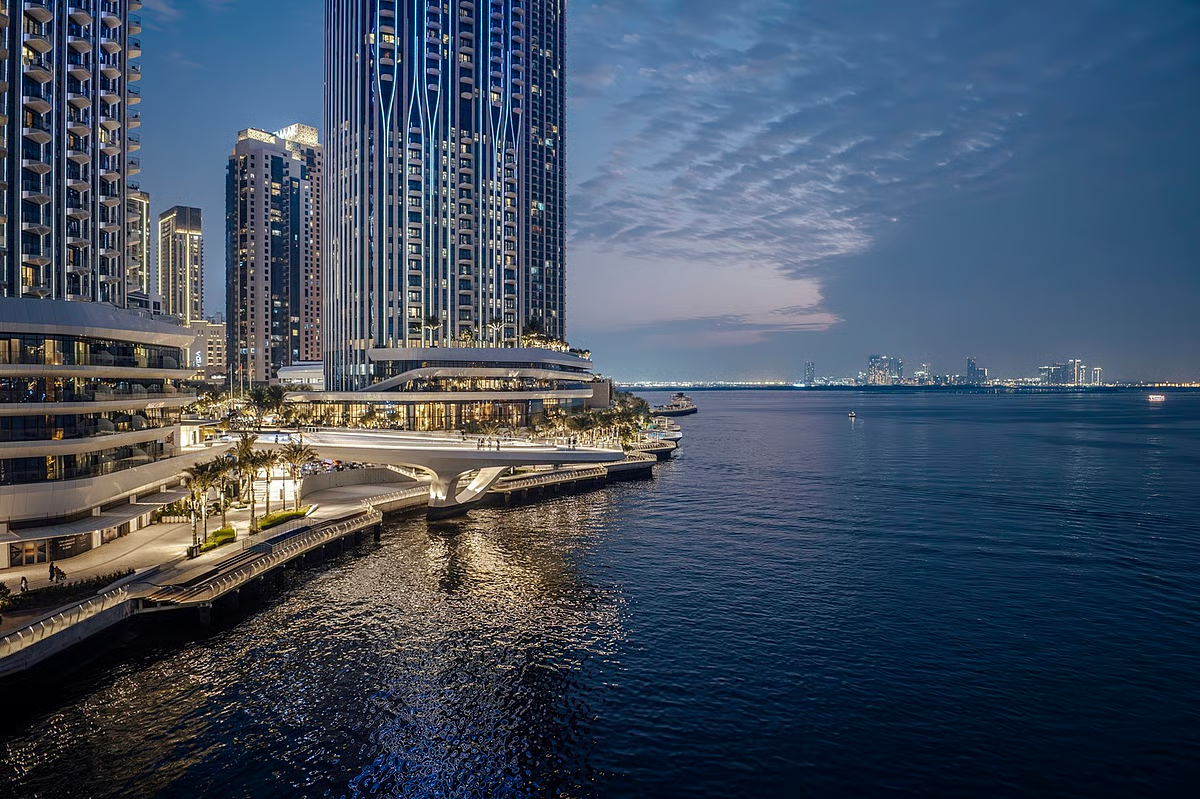
Dubai Creek Harbour saw the most significant surge in apartment rentals, rising by 28 percent year-on-year, while Jumeirah Park experienced a substantial 24 percent year-on-year increase in villa rentals.
Palm Jumeirah, Dubai’s most exclusive residential area, maintained its prominence, with average apartment rentals reaching AED 261,500 and villa rentals at AED 855,878.
Dubai Hills Estate boasts an average apartment rental of AED 190,649, followed by Jumeirah Beach Residences at AED 158,928. Among villa communities, Jumeirah Golf Estates stands out with an average rental of AED 617,486, followed by Emirates Living at AED 373,722.
The surge in rental prices can be attributed to factors such as the growing presence of high-net-worth individuals (HNWIs) in the city and the UAE’s removal from the Financial Action Task Force (FATF) grey list, enhancing Dubai’s attractiveness as a destination for investment and residency.