Rents in older Dubai buildings lacking modern amenities may drop due to the introduction of the new smart rental index.
Real estate industry leaders predict that newer buildings with high-end facilities could see rents rise by as much as 15%, as landlords adjust prices to match current market rates.
Unveiled last week by the Dubai Land Department, the index incorporates several factors, including the classification of buildings, the age of the rental property, and its location.
The index applies to all residential areas in Dubai, including key districts, special development zones, and free zones. It requires owners of older buildings to adjust their rents, while those with new buildings can increase rates to align with market trends.
Alec Smith, head of sales and leasing at Savills Middle East, stated that historically, landlords have sometimes proposed rent increases that were not “fair” or justified, while tenants have occasionally contested legitimate rent hikes, assuming the landlord was being unreasonable.
“This new system provides a clear, straightforward method for both parties to determine what constitutes a ‘fair’ rent and if a rent increase is justified,” Smith explained.
Lewis Allsopp, chairman of Allsopp and Allsopp, emphasized that the new index focuses on fairness and transparency rather than driving up rents across the board.
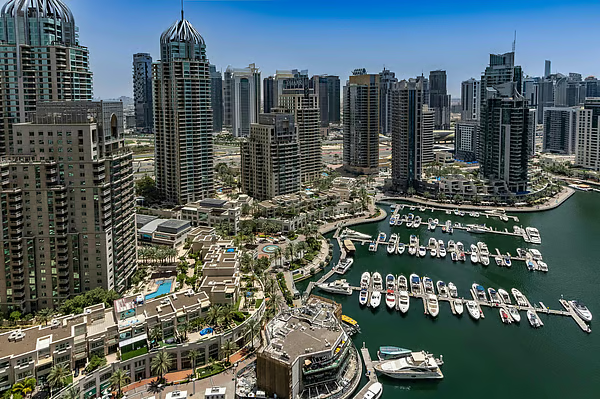
“The market will experience a realignment, particularly in areas where rental averages have not reflected the true value of properties. Older buildings with fewer modern amenities, such as those in Dubai Marina, may see rents stabilize or even decrease,” said Allsopp.
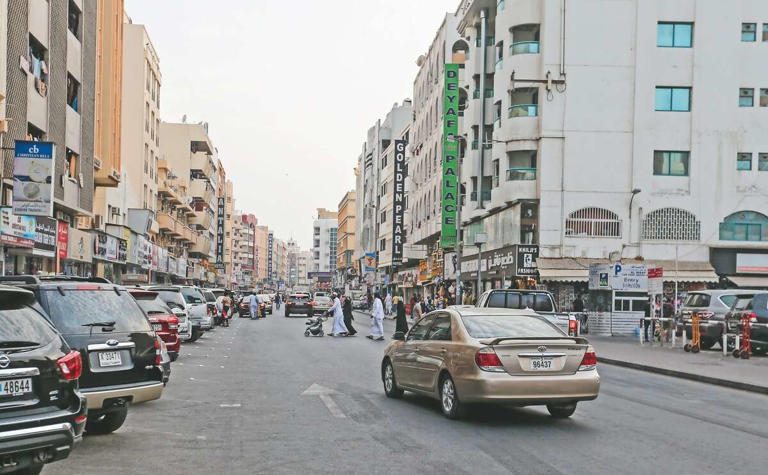
He added that properties with outdated amenities might need to reinvest in renovations or accept lower rents due to their aging interiors and facilities.
On the other hand, Allsopp noted that new buildings with high-quality specifications and premium amenities could see a 5-15% rent increase, reflecting their true market value according to the index.
Alec Smith predicts that rents in Dubai will not rise beyond the corresponding market price increases.
“The new system will allow eligible owners to justify rental increases. Given the significant media coverage of Dubai’s property price growth, it’s reasonable for landlords with existing tenants to benefit from this surge. This system ensures rental prices stay aligned with current market trends instead of outdated historical prices,” he said.
Dubai Marina has over 200 residential towers developed by more than 180 developers, with some buildings nearly 20 years old and others newly constructed.
“This system will enable more accurate rental valuations based on multiple factors, instead of applying a blanket price across entire areas. This will result in fairer outcomes for both landlords and tenants. In short, owners of premium and new properties will gain more from the system compared to those with older, less-maintained properties,” Smith added.
He also pointed out that owners of higher-quality properties or those in high demand will see faster rental price increases than owners of older, lower-demand properties.
Allsopp highlighted that the index serves as a safeguard against unfair rent hikes by ensuring that rental prices are based on tangible factors such as property condition, location, and amenities.
“It helps tenants make more informed decisions about where to live and what they’re paying for,” he noted.
For landlords, especially those with newer properties, Allsopp believes the index provides an advantage.