Balancing affordability, quality, accessibility, and investor demand is a complex task, but these five measures mark a positive step for Dubai’s rapidly expanding real estate market.
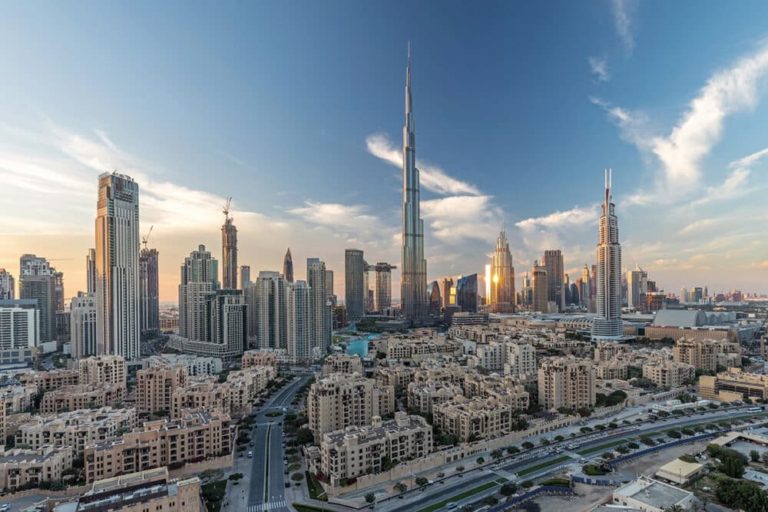
Dubai’s property sector has undergone key transformations since the beginning of the year. The city’s popularity remains strong, with optimism surrounding both short- and long-term prospects. Enhancements to the regulatory framework supporting investors, owners, and tenants will bring even more transparency to one of the world’s most desirable real estate markets.
1. Banks no longer financing DLD registration and broker fees
As of February 1, banks and mortgage lenders are no longer allowed to finance Dubai Land Department registration fees (4%) or broker fees (2%). Previously, buyers could include 80% of these costs in their mortgage and repay them gradually. Now, full payment must be made upfront.
This change aims to promote market stability and long-term investment. While it increases initial costs, it ensures buyers have the necessary liquidity and commitment to invest.
2. Introduction of Dubai Smart Rental Index
A new rating system for residential buildings has been introduced to assist both landlords and tenants. Over 60 factors, including location, amenities, sustainability, and security, are evaluated, with properties receiving a 1 to 5-star ranking, similar to hotel ratings.
This initiative may lead to improved building standards. Developers, including our team at Prestige One Developments, are already considering these criteria to ensure high rankings for upcoming projects. Higher ratings could contribute to better rental yields and capital appreciation.
3. New opportunities for freehold ownership
Demand for prime residential areas in Dubai remains high, and the recent decision to open 128 plots on Sheikh Zayed Road and 329 in Al Jaddaf for freehold ownership by all nationalities is a game-changer.
Dubai’s leadership continues to demonstrate visionary planning, with this move expected to drive urban renewal. Older properties will be redeveloped, and new projects will emerge, maximizing the potential of freehold ownership.
4. The rise of train commuting in the UAE
The introduction of a 350 km/h Etihad Rail passenger train linking Abu Dhabi and Dubai, with future expansions to other emirates and countries, will revolutionize connectivity. The journey between the UAE’s capital and Dubai will take just 30 minutes, potentially boosting real estate demand near rail hubs.
5. Expanded visa eligibility
The UAE’s Golden Visa program has been extended to attract skilled professionals, retirees, and remote workers through new long-term visa options. These initiatives enhance the country’s appeal as a permanent residence destination.
These visa programs encourage property ownership by tying eligibility to real estate investments. Additionally, the growing number of expatriates securing residency will drive further demand in both the sales and rental markets.
The bigger picture
Dubai’s leadership has made strategic decisions in early 2025 to improve infrastructure, elevate real estate quality, and promote sustainable investment. As one of the most sought-after cities globally, demand for Dubai’s property market continues to rise. While balancing affordability, quality, accessibility, and investor interest is complex, these five measures signal strong growth ahead.